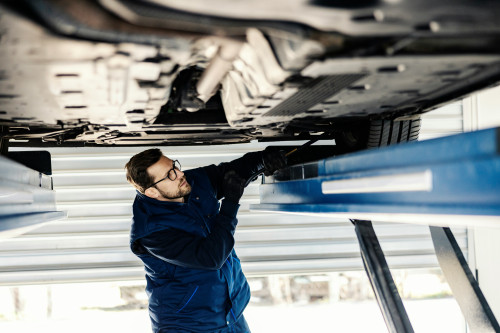
Unlock the secrets to effortless car repairs every expert should know!
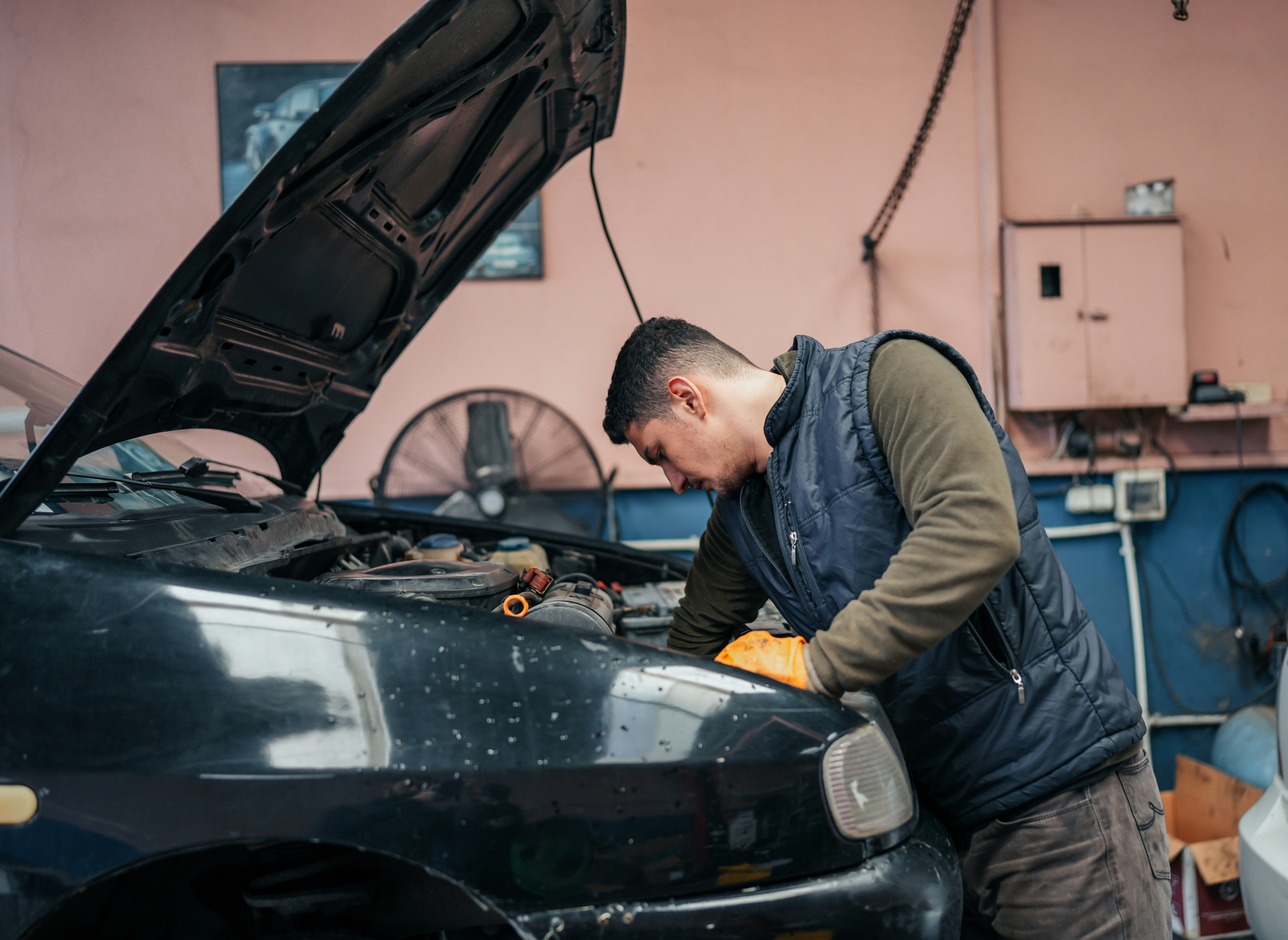
Unlock the secrets to effortless car repairs every expert should know!
Understanding Your Vehicle
Before diving into repairs, it’s essential to understand the basics of your vehicle. Every car has a unique design, and knowing key components can save you time and effort. Start familiarizing yourself with the engine, transmission, brakes, and electrical system. Consult your owners manual for diagrams and explanations of parts.
Understanding how these components work together helps you diagnose problems more efficiently. Regularly monitor your vehicle’s performance and listen for any unusual sounds while driving. Early detection of issues can often prevent more significant repairs later on.
Essential Tools for the Job
A well-equipped toolbox is your best friend when it comes to car repairs. Here are some essential tools every expert should have:
- Socket set: Ideal for loosening and tightening bolts and nuts.
- Screwdriver set: Necessary for removing various screws throughout your vehicle.
- Wrenches: Adjustable and fixed wrenches are essential for different sizes of nuts and bolts.
- Jack and jack stands: Safety cannot be overlooked, so always lift your vehicle correctly.
- Diagnostic scanner: Modern cars often have onboard computers that can be diagnosed using a scanner.
Having the right tools not only makes repairs easier but also increases your efficiency, allowing you to tackle more significant jobs confidently.
Common Car Issues and Their Fixes
Many car issues can be resolved with a bit of know-how. Here are some common problems you might encounter:
1. Dead Battery
A dead battery is one of the most common reasons a car won’t start. Check the battery connections for corrosion. If theyre clean and tight, try jump-starting the car. If the battery is more than three years old, consider replacing it if jump-starting doesn’t work.
2. Flat Tire
A flat tire can be a nuisance, but changing it is typically straightforward. Use the jack to lift the car, remove the lug nuts, and swap the flat for the spare. Always check the spare tire’s air pressure before using it.
3. Overheating Engine
If your engine overheats, turn off the vehicle to prevent damage. Check the coolant level; if it’s low, top it off when the engine cools. Look for leaks in the radiator or hoses, which can be an easy fix.
Staying Updated on Technology
Modern vehicles come equipped with advanced technology that can complicate repairs. Familiarize yourself with the latest trends, such as hybrid and electric vehicles. These cars have their own unique sets of problems and solutions.
Keep up with industry news by subscribing to automotive blogs and joining forums. The more knowledge you acquire about evolving technologies, the better prepared you’ll be for repairs.
Practice Safe Repairs
Safety is paramount when working on your vehicle. Always wear protective gear such as gloves and goggles. Ensure your workspace is well-lit and free from hazards. If you’re lifting the car, check that the jack is stable before getting underneath the vehicle.
If you’re tackling a challenging repair, consider enlisting a friend to help. Not only can an extra set of hands make the job easier, but they can also assist during emergencies.
Learning from Resources
Many resources are available for novice and experienced car repair enthusiasts. Online video tutorials, repair manuals, and automotive magazines can provide invaluable insights into various repairs. Utilizing these resources can enhance your understanding and skill set.
Consider attending workshops or classes, often available at community colleges or local auto shops. These can provide hands-on experience and further your knowledge in a structured environment.
Lastly, never hesitate to ask for help when needed. The automotive community is vast, and experienced mechanics often share their expertise willingly.