Drive Like a Pro: How to Develop a Smooth and Efficient Driving Style


Drive Like a Pro: How to Develop a Smooth and Efficient Driving Style
Driving is more than just getting from one place to another – it’s about doing it safely, comfortably, and efficiently. A smooth driving style is marked by calmness, awareness, and precision. It’s how professional drivers, experienced commuters, and skilled chauffeurs move through traffic: without stress, without wasting energy, and with respect for both the vehicle and the road. Here’s how you can develop a more professional and fluid driving style on Indian roads.
Understand Your Vehicle’s Movements
A professional driver knows their car – not just how it looks, but how it feels and reacts. When you understand your vehicle’s balance, weight distribution, and response, you can anticipate how it will behave in different situations.
- Know your car’s center of gravity – it affects how the car handles corners and braking.
- Listen to the engine – shift gears when the engine runs smoothly, not when it’s straining.
- Feel the grip – especially on wet roads, loose gravel, or uneven surfaces. A smooth driver adapts to the road rather than fighting it.
The better you understand your car’s dynamics, the easier it becomes to drive with precision and confidence.
Plan Ahead and Read the Road
One of the biggest differences between an experienced and an inexperienced driver is the ability to look ahead. Professionals constantly scan the road to anticipate what’s coming.
Keep an eye on traffic several vehicles ahead, not just the one in front of you. This gives you time to react calmly instead of suddenly. When you plan your acceleration, gear changes, and braking in advance, your drive becomes smoother and more fuel-efficient.
Think in terms of flow: avoid unnecessary stops and starts, and let your car glide through traffic with small, steady adjustments.
Use the Pedals with Care
Smooth driving is largely about how you use the pedals. Many drivers accelerate and brake too harshly, which wears out the car, wastes fuel, and makes passengers uncomfortable.
- Accelerate gradually – press the pedal gently so the car builds speed naturally.
- Brake early and lightly – start slowing down in advance to avoid sudden stops.
- Ease off the accelerator in time – often, you can let the car roll towards a red light instead of braking hard.
Gentle movements make a big difference. This is where you start to feel the car working with you, not against you.
Gear Changes and Engine Braking
Efficient gear shifting isn’t about speed – it’s about timing. Listen to the engine and feel when it’s pulling best. Shifting too early or too late disrupts the car’s rhythm and increases fuel use.
Use engine braking when possible – release the accelerator and let the engine help slow the car, especially on downhill stretches. It saves your brakes and gives you more control.
If you drive an automatic, the principle is the same: avoid sudden changes in speed and let the car operate at its natural pace.
Cornering with Precision
Corners are where the difference between smooth and jerky driving becomes clear. A professional driver enters a turn at the right speed – not too fast, not too slow – and steers with small, controlled movements.
- Brake before the turn, not during it.
- Maintain steady throttle through the corner.
- Look through the turn, not just at the road in front of you – it helps you steer more accurately.
Mastering cornering makes your driving safer and more balanced, especially on winding Indian roads or hilly terrain.
City and Highway Driving
In Indian cities, smooth driving is about rhythm and patience. Read the traffic flow, anticipate signals, and be mindful of pedestrians, cyclists, and two-wheelers. Avoid accelerating towards a red light – it saves both fuel and brakes.
On highways, focus on stability. Maintain a steady speed, use cruise control if available, and keep a safe distance from other vehicles. Avoid unnecessary lane changes and overtaking – it keeps traffic calmer and reduces the risk of accidents.
Stay Mentally Focused and Calm
A professional driver is mentally present but relaxed. Tension leads to mistakes, while calm focus leads to better reactions.
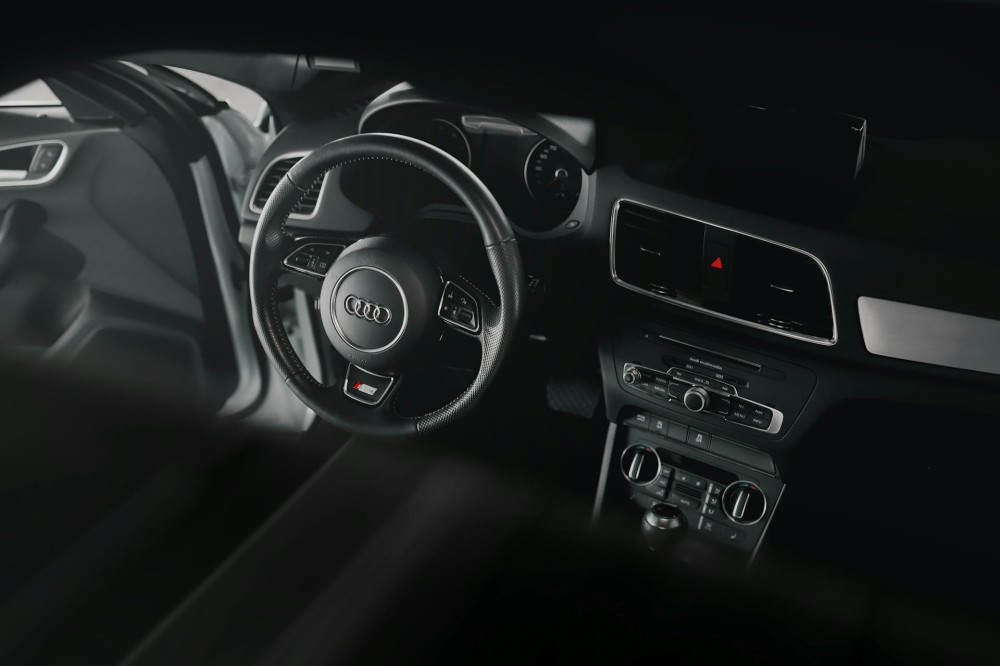
Avoid distractions like mobile phones, and make sure you’re seated comfortably. Keep your hands in the “9 and 3” position on the steering wheel for better control and less fatigue.
If you feel stressed or irritated – common in heavy Indian traffic – take a short break. A calm driver makes better decisions, and that shows in every journey.
Practice and Learn from Every Drive
Like any skill, smooth driving takes practice. Focus on one aspect at a time – maybe gentle braking one day, precise gear shifts the next. Over time, these habits become second nature.
You can also learn by observing others. Notice how experienced drivers handle traffic, maintain flow, and stay composed. Try to emulate their timing and awareness.
Læs også:


Smooth Driving Benefits Everyone
When you drive smoothly and efficiently, you save fuel, reduce wear on your car, and lower the risk of accidents. At the same time, your journeys become more comfortable – for you, your passengers, and everyone sharing the road.
Driving like a professional isn’t about speed; it’s about control, awareness, and respect for the road. It’s the art of moving in harmony with traffic – and with a bit of attention and practice, anyone can master it.
Læs også: