Eat Right After Your Workout: How to Combine Protein and Carbohydrates Optimally

Eat Right After Your Workout: How to Combine Protein and Carbohydrates Optimally
After a tough gym session, a long run, or a yoga class, what you eat next can make a big difference in how your body recovers and how much progress you make. The right combination of protein and carbohydrates helps rebuild muscles and restore energy levels. But what’s the best way to balance them, and what should you actually eat? Here’s a guide tailored for Indian readers on how to create the perfect post-workout meal.
Why Your Post-Workout Meal Matters
During exercise, your body uses up glycogen — the stored form of carbohydrates in your muscles — as fuel. At the same time, muscle fibers experience small amounts of damage, especially during strength training. After your workout, your body needs two key things: energy replenishment and muscle repair.
- Carbohydrates help refill glycogen stores, ensuring you have energy for your next session.
- Protein provides amino acids that repair and build muscle tissue.
Skipping your post-workout meal can slow down recovery and even lead to muscle loss, particularly if you train frequently.
The Ideal Timing
The best time to eat is within 30–60 minutes after your workout. During this window, your body is especially efficient at absorbing nutrients, making it the perfect time to refuel.
If you can’t have a full meal right away, grab a quick snack — like a banana with a glass of milk or a handful of roasted chana with a protein shake — to tide you over until your next meal.
Læs også:




Finding the Right Balance
A good rule of thumb is to aim for a 3:1 ratio of carbohydrates to protein. That means for every 20 grams of protein, you should have about 60 grams of carbohydrates. For most people, this translates into a balanced meal with a protein source (like eggs, paneer, chicken, or lentils) and a carbohydrate source (like rice, roti, or oats).
Here are some great Indian-style combinations:
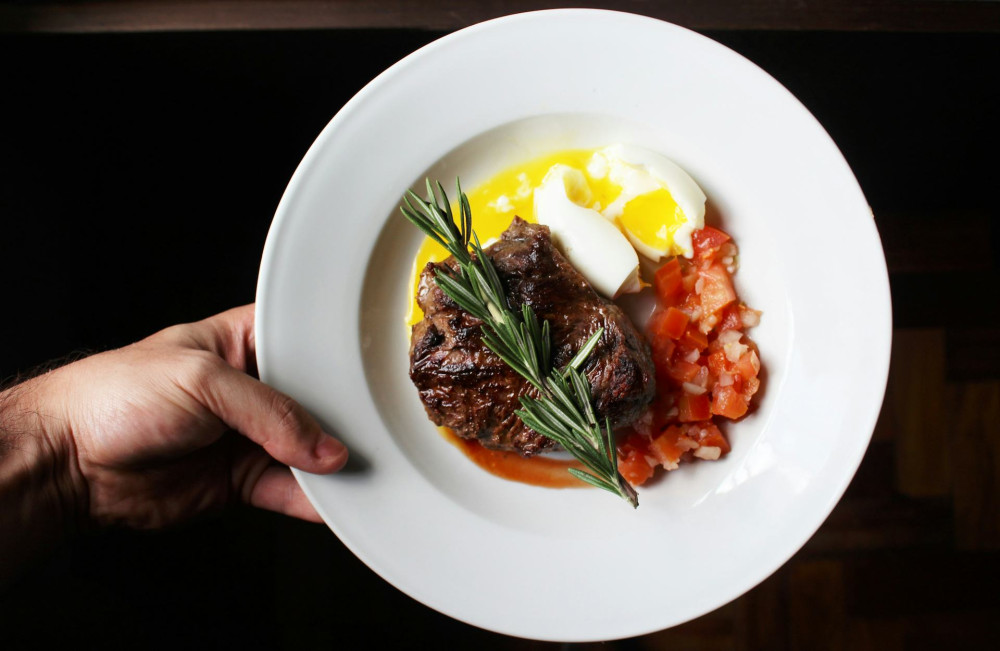
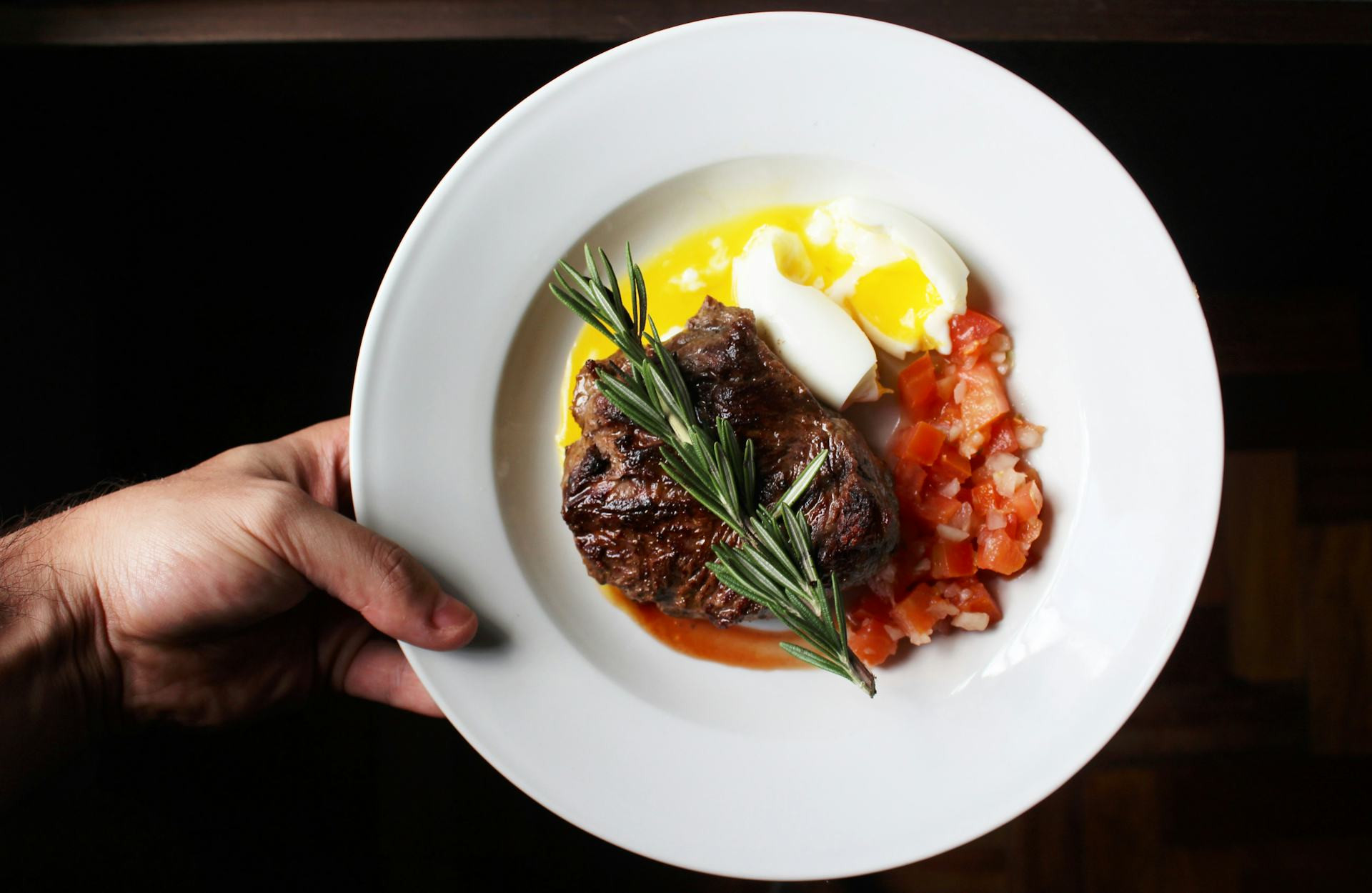
- Grilled chicken with brown rice and sautéed vegetables
- Paneer bhurji with whole wheat chapati and salad
- Moong dal khichdi with curd
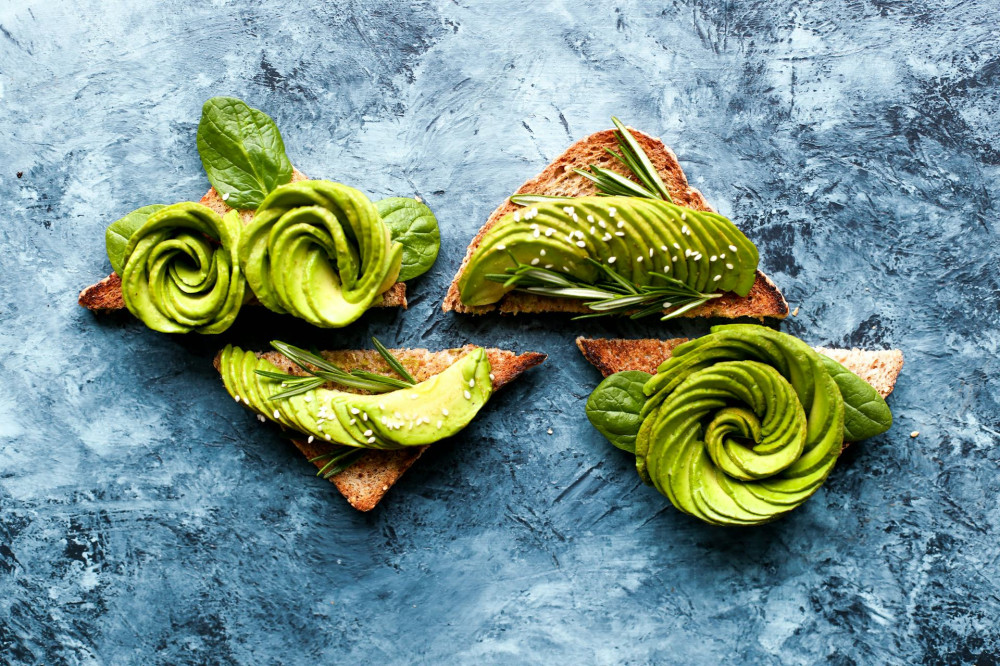
- Egg omelette with multigrain toast and avocado
- Smoothie with milk, banana, oats, and a spoon of peanut butter
The key is to choose foods you enjoy and can easily include in your daily routine.
Fast and Slow Carbs – When to Choose What
Right after your workout, fast-digesting carbohydrates are your best friend. They quickly restore energy and help your body recover faster. Examples include fruits, white rice, or poha.
Later in the day, focus on slow-digesting carbohydrates like whole grains, millets, lentils, and vegetables. These provide steady energy and keep you full longer.
The Quality of Protein Matters
Not all protein sources are equal. Animal-based proteins like chicken, fish, eggs, and dairy contain all essential amino acids your body needs. Vegetarian sources such as lentils, beans, tofu, and paneer can also meet your needs, especially when you combine different types to get a complete amino acid profile.
Try to vary your protein sources — it’s good for both your health and the environment.
Don’t Forget Hydration and Electrolytes
During workouts, you lose not only water but also electrolytes like sodium and potassium through sweat. Rehydrating properly is essential. Drink plenty of water, and if you’ve been sweating heavily, consider coconut water or a homemade electrolyte drink with a pinch of salt and lemon juice. This helps restore balance and prevents fatigue or headaches.
Match Your Meal to Your Workout Type
- Strength training: Focus on protein-rich foods to support muscle growth — like eggs, paneer, or chicken.
- Endurance training: Prioritize carbohydrates to replenish energy — like rice, fruits, or oats.
- Mixed workouts: Go for a balanced combination of both.
Make It a Habit
The best post-workout meal is the one you actually eat. Plan ahead so you don’t skip it. Keep quick options ready — boiled eggs, Greek yogurt, fruit, or roasted nuts — for busy days.
When you make recovery nutrition a consistent part of your fitness routine, you’ll notice faster progress, better performance, and a stronger, more energized body.
Læs også: