Kitesurfing for Beginners: Why the Wind and Waves Fascinate Adventurous Men

Kitesurfing for Beginners: Why the Wind and Waves Fascinate Adventurous Men
There’s something magnetic about the meeting of wind, water, and speed. Kitesurfing brings these elements together in a thrilling dance of power and balance, where the wind becomes your engine and the sea your playground. For many men who crave adventure and physical challenge, this sport has become more than a hobby – it’s a way to connect with nature’s raw energy and test personal limits. But how do you get started, and what makes kitesurfing so irresistible?
A Sport of Freedom and Adrenaline
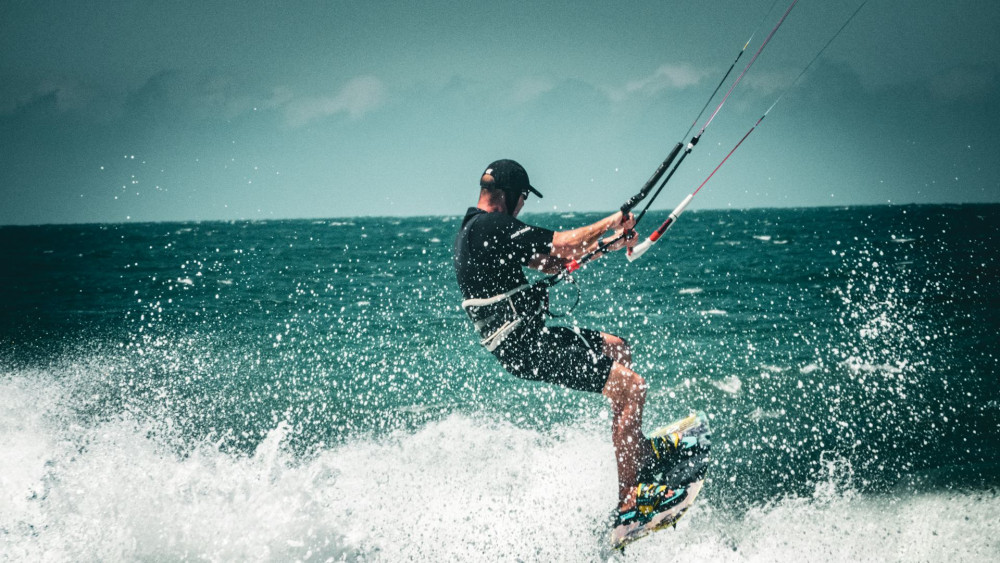
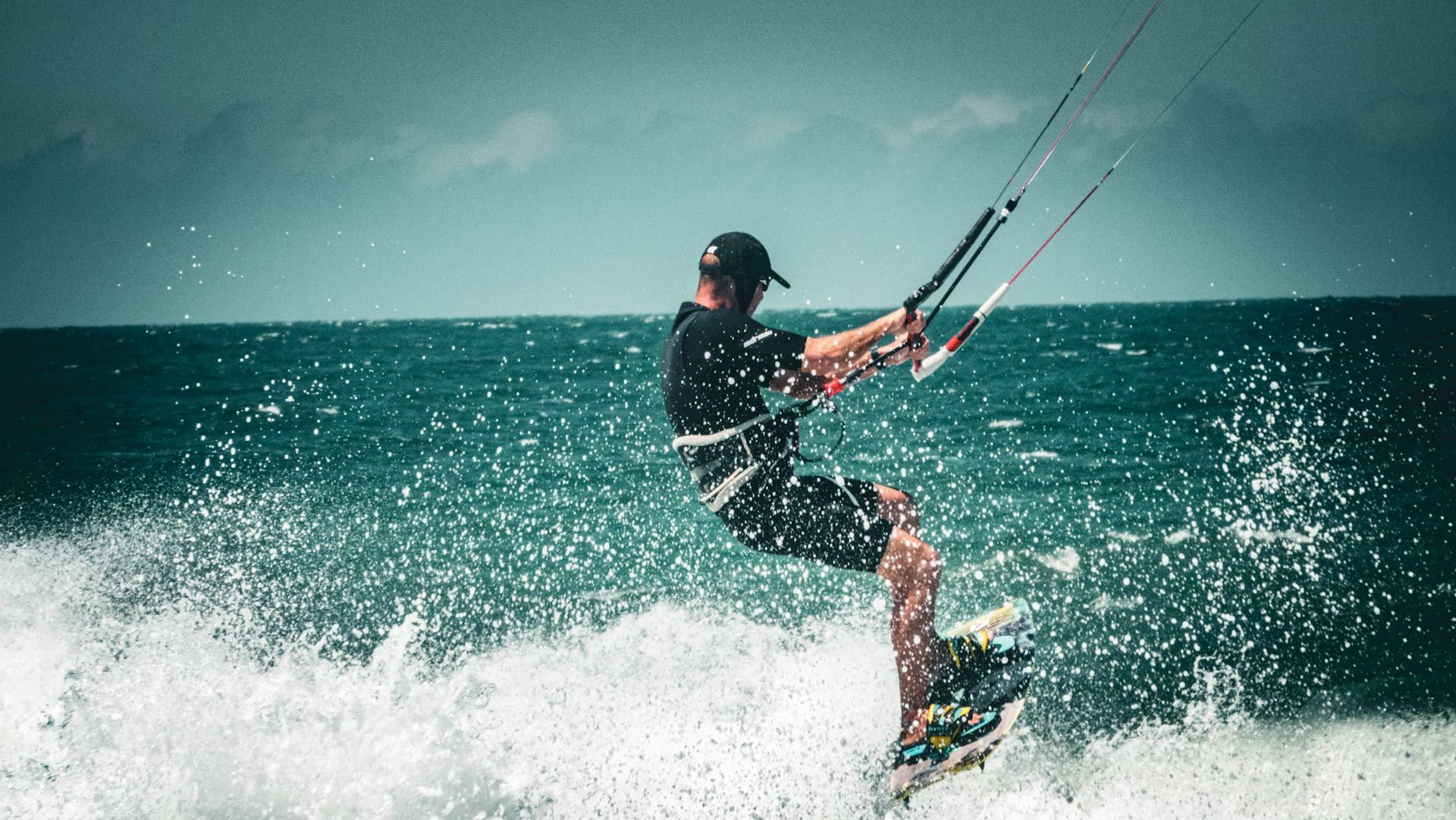
At its core, kitesurfing is about harnessing the wind with a large kite while gliding across the water on a board. It sounds simple, but it demands technique, balance, and respect for the elements. When everything clicks – the wind, the waves, your timing – you experience a sense of freedom that few other sports can match.
For many men, it’s this combination of speed, control, and nature that makes kitesurfing so captivating. It’s a physical challenge, but also a mental one: you must read the wind, feel the water, and react instinctively. Every session is different, shaped by the ever-changing moods of the sea and sky.
How to Get Started
Kitesurfing may look extreme, but with proper instruction, most people can learn the basics in just a few days. The key is to start safely and progress step by step.
- Take a certified course – A professional instructor will teach you about safety, wind directions, equipment, and technique. Many schools offer beginner courses lasting two to three days.
- Master kite control on land – Before entering the water, you’ll learn to handle the kite safely. This is where you begin to understand how the wind behaves.
- Practice in shallow water – Once you can control the kite, you’ll combine it with the board. The first few rides are unforgettable – and often a test of balance and patience.
- Choose the right conditions – Beginners should start in light to moderate wind and flat, shallow water. Avoid strong winds and big waves until you gain experience.
Læs også:



Equipment You’ll Need
Kitesurfing requires some gear, but most of it can be rented while you’re learning. The essentials include:
- Kite – Available in different sizes depending on wind strength and your body weight.
- Board – Usually a twin-tip board, similar to a wakeboard.
- Harness – A belt that distributes the kite’s pull across your body, reducing strain on your arms.
- Wetsuit and life jacket – Provide buoyancy and protection from cold water.
- Safety leash and quick-release system – Allow you to detach from the kite instantly if needed.
Once you gain confidence, you can invest in your own equipment, but renting first helps you find what suits you best.
Where to Kitesurf in India
India’s long coastline offers some fantastic spots for both beginners and experienced riders. Warm waters, steady winds, and scenic beaches make it an emerging destination for kitesurfing.
- Rameswaram, Tamil Nadu – Known as India’s kitesurfing capital, with consistent winds and shallow lagoons perfect for learners.
- Mandwa, Maharashtra – Just a short ferry ride from Mumbai, this spot offers calm waters and professional schools.
- Morjim and Ashwem, Goa – Popular beaches with a relaxed vibe and good wind conditions from November to March.
- Kovalam, Kerala – Ideal for those who want to combine surfing, yoga, and kitesurfing in one trip.
- Auroville Beach, Puducherry – A peaceful location with reliable winds and a growing kitesurfing community.
Always check local regulations and weather forecasts before heading out, and respect zones reserved for swimmers or fishing boats.
Safety and Respect for Nature
Kitesurfing is exhilarating, but safety should always come first. The sea and wind can change quickly, so preparation is essential.
- Always check the weather and tide conditions.
- Never kitesurf alone – have a buddy on the beach.
- Use proper safety gear and know how to use your quick-release system.
- Keep a safe distance from swimmers, boats, and other surfers.
- Know your limits and don’t push beyond your skill level.
Equally important is caring for the environment. Avoid damaging dunes or coral reefs, and take your trash with you. Kitesurfing is about being part of nature, not leaving a trace behind.
Why the Sport Appeals to Adventurous Men
For many men, kitesurfing is more than a sport – it’s a lifestyle. It combines physical strength, technical skill, and a deep connection with the natural world. It satisfies the desire for freedom, challenge, and mastery. Each session is a personal test, but also a moment of peace, where the noise of daily life fades into the sound of the wind.
There’s also a strong sense of community. Kitesurfers often gather on beaches, share tips, and help each other launch or land their kites. It’s a sport where independence and camaraderie go hand in hand.
And then there’s that unforgettable moment when you lift off the water for the first time, suspended between sea and sky. For a few seconds, you’re weightless – and hooked for life.
A Sport That Keeps Giving
Kitesurfing is a lifelong adventure. It challenges your body, sharpens your mind, and rewards you with pure joy. You learn to read the wind, trust your instincts, and live in the moment.
So if you’re looking for a sport that blends adventure, nature, and freedom, kitesurfing might be your next great passion. The wind is waiting – all you have to do is take the leap.
Læs også: