Roulette Explained: How the Wheel, Numbers, and Odds of Winning Work

Roulette Explained: How the Wheel, Numbers, and Odds of Winning Work
Roulette is one of the most iconic casino games in the world – a blend of chance, excitement, and a touch of strategy. The spinning wheel, the small white ball, and the colourful layout have fascinated players for centuries. But how exactly does roulette work, and what are your real chances of winning? Here’s a clear explanation of the game’s structure, rules, and probabilities, written with Indian readers in mind.
The Wheel and the Numbers – The Heart of the Game
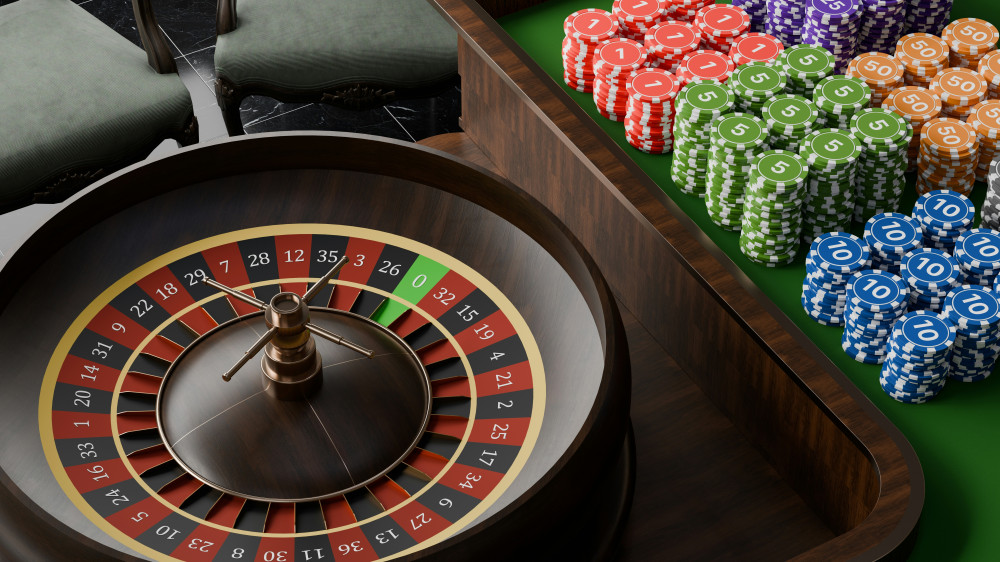
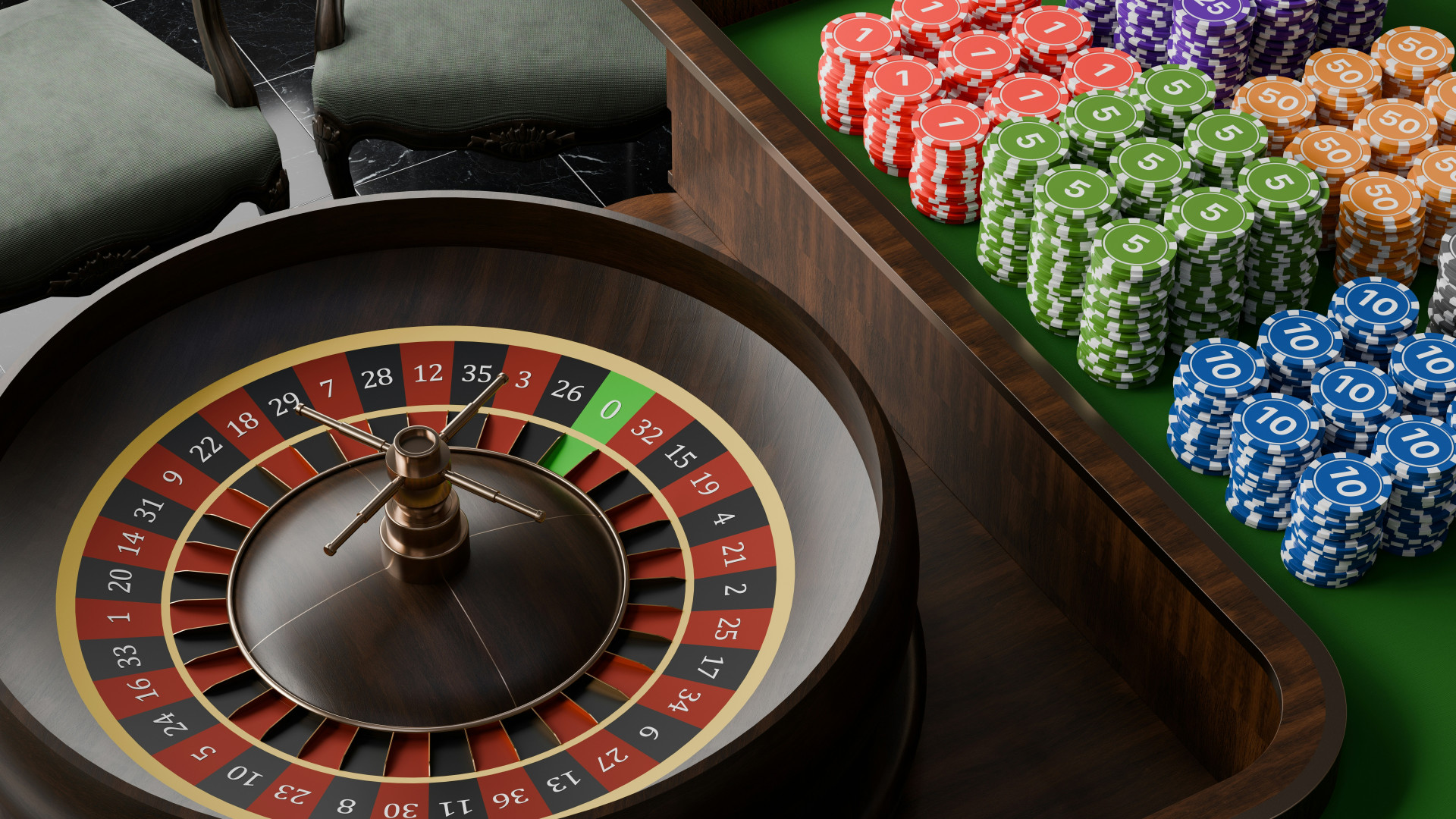
The word roulette comes from French and means “little wheel.” The wheel is indeed the centre of the game. There are two main versions: European roulette and American roulette.
- European roulette has 37 pockets: numbers 1 to 36 and a single zero (0).
- American roulette has 38 pockets: numbers 1 to 36, a single zero (0), and a double zero (00).
The numbers alternate between red and black, while the zero (and double zero) are green. When the ball is spun, the goal is simple – to predict where it will land.
Læs også:

How a Game Round Works
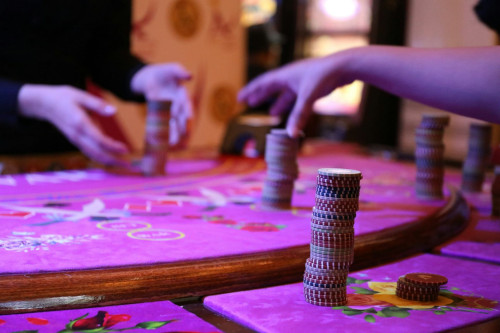
A round of roulette begins when players place their bets on the table layout. The table displays all numbers and the various betting options. Once all bets are placed, the dealer spins the wheel in one direction and rolls the ball in the opposite direction. After a few seconds of suspense, the ball settles into one of the numbered pockets – and the winning number is announced.
If your bet matches the winning number, colour, or range, you receive a payout according to the odds for that type of bet.
Types of Bets
Roulette offers many ways to play, generally divided into two categories: inside bets and outside bets.
-
Inside bets are wagers on specific numbers or small groups of numbers. They offer higher payouts but lower chances of winning. Examples:
- Single number (straight up) – pays 35:1
- Two numbers (split) – pays 17:1
- Four numbers (corner) – pays 8:1
-
Outside bets cover larger groups of numbers and offer lower payouts but higher chances of winning. Examples:
- Red or black
- Odd or even
- High (19–36) or low (1–18) numbers
- Dozens (1–12, 13–24, 25–36)
This variety makes roulette appealing to both risk-takers and those who prefer steadier odds.
Probability and the House Edge
Roulette is a game of pure chance – no strategy can influence the outcome of a spin. However, understanding the probabilities helps you make informed choices.
In European roulette, there are 37 possible outcomes. If you bet on a single number, your chance of hitting it is 1 in 37, or about 2.7%. In American roulette, the chance is slightly lower – 1 in 38 (around 2.6%) – because of the extra double zero pocket.
The house edge – the casino’s statistical advantage – is about 2.7% in European roulette and 5.26% in American roulette. This means European roulette is generally more favourable for players.
Strategies and Common Myths
Many players try to find systems that can “beat” roulette, such as the Martingale system, where you double your bet after each loss. While it sounds logical, in practice, table limits and personal budgets make it risky and unsustainable.
It’s important to remember that each spin is independent. The ball doesn’t “remember” previous results, and there are no patterns that can predict the next outcome. Roulette remains a game of luck, no matter how long you play.
European vs. American Roulette – Which Should You Choose?
If you have the option, European roulette is almost always the better choice. The single zero gives a lower house edge, and some versions even include special rules like La Partage or En Prison, where you get half your bet back if the ball lands on zero during an even-money bet (like red/black or odd/even). This further reduces the house advantage.
American roulette can still be fun for variety, especially if you’re playing for entertainment rather than statistical advantage.
Roulette in India – Playing Responsibly
In India, gambling laws vary by state. While physical casinos operate legally in places like Goa and Sikkim, many players enjoy roulette through licensed international online platforms. Always ensure you play on reputable, regulated sites and set clear limits for yourself. Roulette should be about enjoyment, not financial pressure.
The Experience of Roulette
Part of roulette’s charm lies in the atmosphere around the table. It’s a social game where players cheer, celebrate, and share the thrill as the ball spins. Online casinos now recreate this experience with live dealers and real-time streaming, allowing Indian players to enjoy the same excitement from home.
Ultimately, roulette is about entertainment. Understand the rules, play responsibly, and enjoy the suspense as the ball bounces from pocket to pocket – because it’s that unpredictability that makes the game so captivating.
Læs også: