When Your Child Gets Angry: How to Stay Calm as a Father

When Your Child Gets Angry: How to Stay Calm as a Father
When your child loses their temper, it can stir up many emotions in you as a father — frustration, helplessness, or even guilt. That’s completely normal. A child’s anger is part of their emotional growth, but managing it can be challenging, especially when you’re tired or stressed yourself. Staying calm doesn’t mean suppressing your own feelings; it means creating a sense of safety and showing your child that emotions can be handled with care. Here are some ways to respond with calmness, patience, and understanding when your child gets angry.
Understand the Anger – Theirs and Yours
Anger is a natural reaction when something feels unfair, overwhelming, or frustrating. For children, it often means they don’t yet have the words or skills to express what they feel. When you see your child’s anger as a signal of an unmet need rather than a personal attack, it becomes easier to respond calmly.
As a father, you might also feel your own anger rising. Perhaps you think your child is being disrespectful or testing limits. But often, your child simply needs help regulating their emotions — and you can only offer that help if you stay composed yourself.
Take a Breath – Give Yourself a Moment
When the situation heats up, the most important thing you can do is pause. Take a deep breath and remind yourself that you don’t have to react immediately. Even a few seconds of silence can help you regain control and respond more thoughtfully.
If you feel your patience slipping, it’s okay to say, “I need a moment before we talk about this.” This shows your child that it’s healthy to take a break when emotions run high — a valuable lesson for them to learn.
Respond with Calm and Curiosity
When your child shouts, cries, or slams a door, it’s tempting to raise your voice or hand out a quick punishment. But often, it’s more effective to respond with calm curiosity. Try to put words to what your child might be feeling: “I can see you’re upset. Is it because you couldn’t go out to play?”
By showing understanding, you help your child name their emotions — and that makes it easier for the anger to fade. This doesn’t mean you accept bad behaviour, but that you separate the feeling from the action: “It’s okay to feel angry, but it’s not okay to hit.”
Reconnect After the Storm
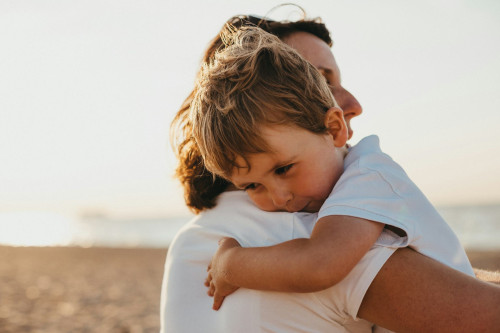
Once the anger has passed, it’s important to rebuild the connection. Many children feel ashamed or sad after an outburst. A gentle touch, a calm look, or a short conversation can make a big difference. You might say, “That was a tough moment earlier, but I’m glad we’re calm again.”
This reassures your child that your relationship is stronger than the conflict — and that your love doesn’t disappear, even when tempers flare.
Learn from the Moments – Together
Anger can be a chance for growth, both for your child and for you as a father. When things have settled, talk about what happened and explore better ways to handle similar situations next time. Ask questions like, “What could we do differently next time you feel so angry?” or “What helps you calm down when you’re upset?”
By involving your child in finding solutions, you give them ownership of their emotions — and show that you take their feelings seriously.
Læs også:


Take Care of Yourself as a Father
Being the calm adult requires energy and balance. If you often find yourself losing patience, it might be a sign that you need rest or support. Make time for yourself — whether it’s a walk, exercise, prayer, or talking with other fathers or friends. In India’s busy family life, where work and responsibilities can be demanding, self-care isn’t selfish; it’s essential. The more you look after your own well-being, the easier it becomes to be the steady presence your child needs.
Staying calm doesn’t mean being perfect — it means being mindful. Every time you choose calm over anger, you teach your child how to handle strong emotions with maturity and respect. That lesson will stay with them long after childhood.
Læs også: