Create a Healthy Sleep Environment with the Right Colors, Temperature, and Fresh Air

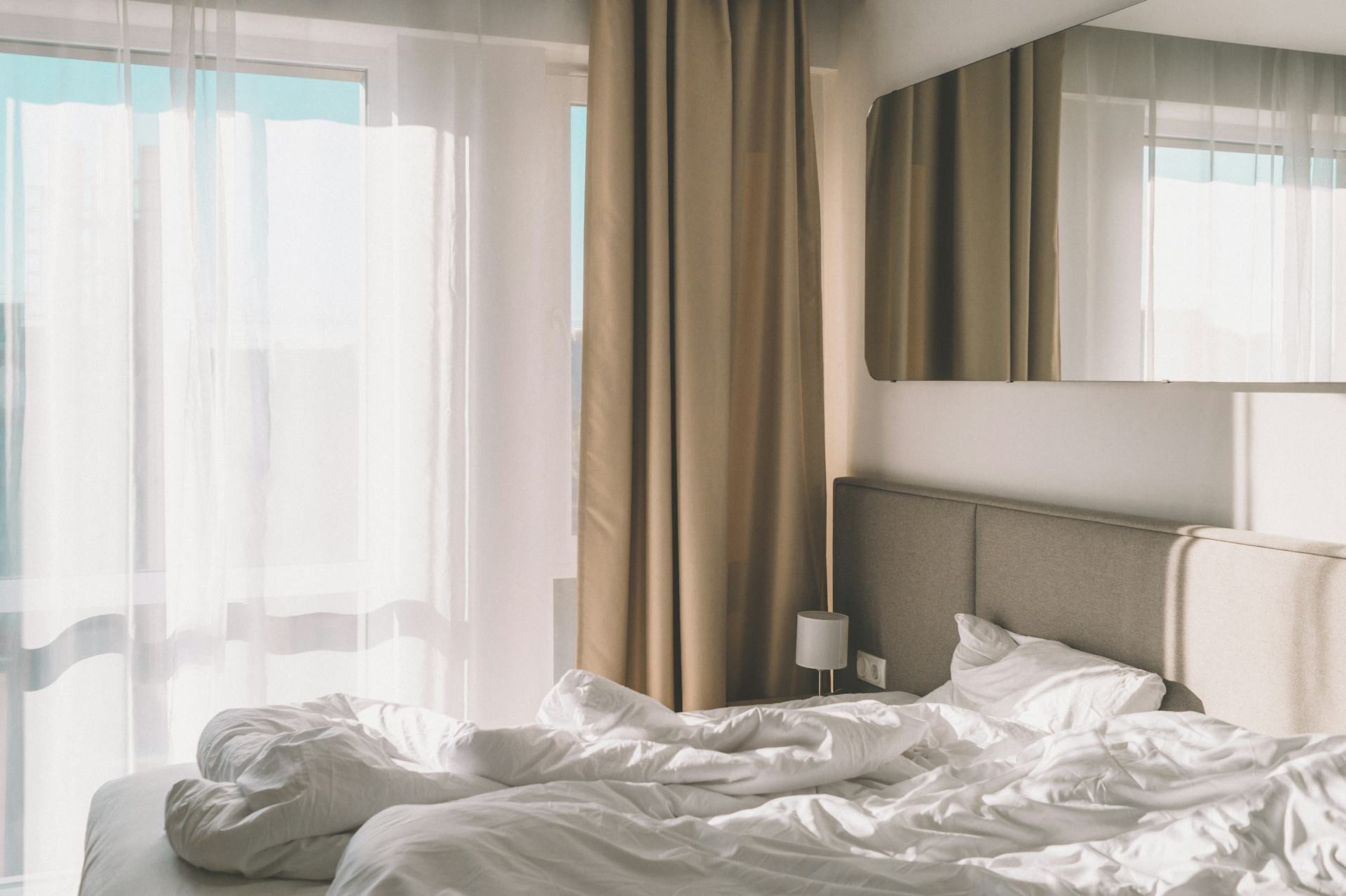
Create a Healthy Sleep Environment with the Right Colors, Temperature, and Fresh Air
A good night’s sleep begins long before you close your eyes – it starts with the environment you sleep in. The colors on your walls, the temperature of your room, and the quality of the air all influence how easily you fall asleep and how refreshed you feel in the morning. A healthy sleep environment is about more than just a comfortable bed – it’s about creating harmony between your senses, comfort, and functionality. Here’s how you can design your bedroom to promote calmness, recovery, and well-being.
Colors That Encourage Calm
Colors have a powerful effect on our mood and energy levels. In the bedroom, it’s best to choose shades that evoke peace and relaxation rather than stimulation and activity.
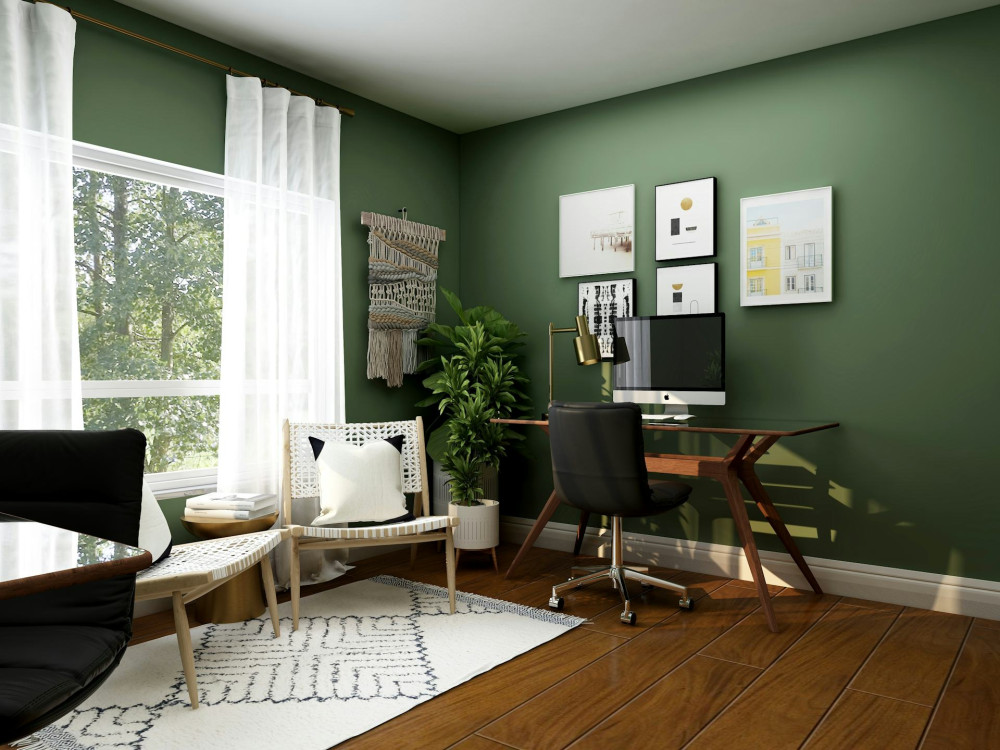
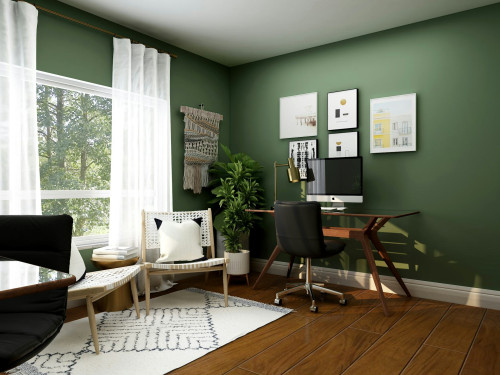
- Soft blues and greens are known for their calming effect and connection to nature. They can help lower your heart rate and create a sense of balance.
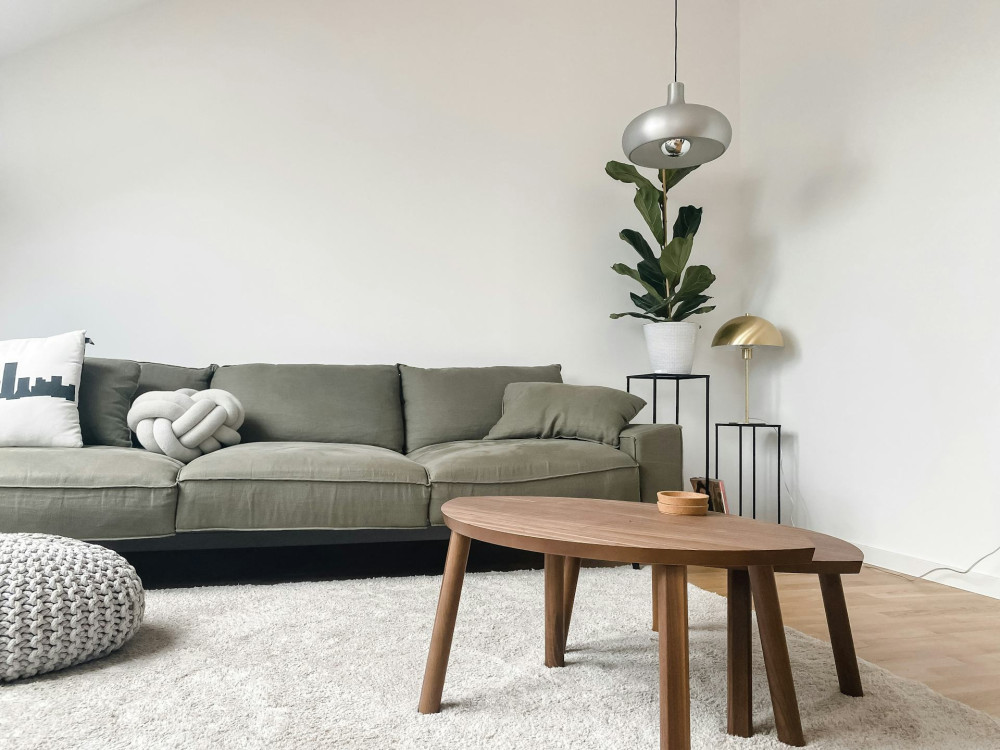
- Neutral tones such as beige, cream, or light grey provide a soothing backdrop and pair well with natural materials like wood or cotton.
- Avoid overly bright colors like red or neon orange on large surfaces – they can be energizing and make it harder to unwind.
If you want to add personality, use color in small accents – through cushions, artwork, or plants – without disturbing the overall sense of calm.
Læs også:

The Ideal Temperature for Sleep
Your body naturally cools down as you prepare to sleep, so a slightly cool room helps you drift off more easily. For most people, the ideal sleeping temperature is between 24°C and 27°C, depending on the season and humidity. In many parts of India, especially during summer, keeping the room cool can be a challenge, but a few adjustments can make a big difference:
- Use cotton or bamboo bedding, which allows your skin to breathe and absorbs moisture.
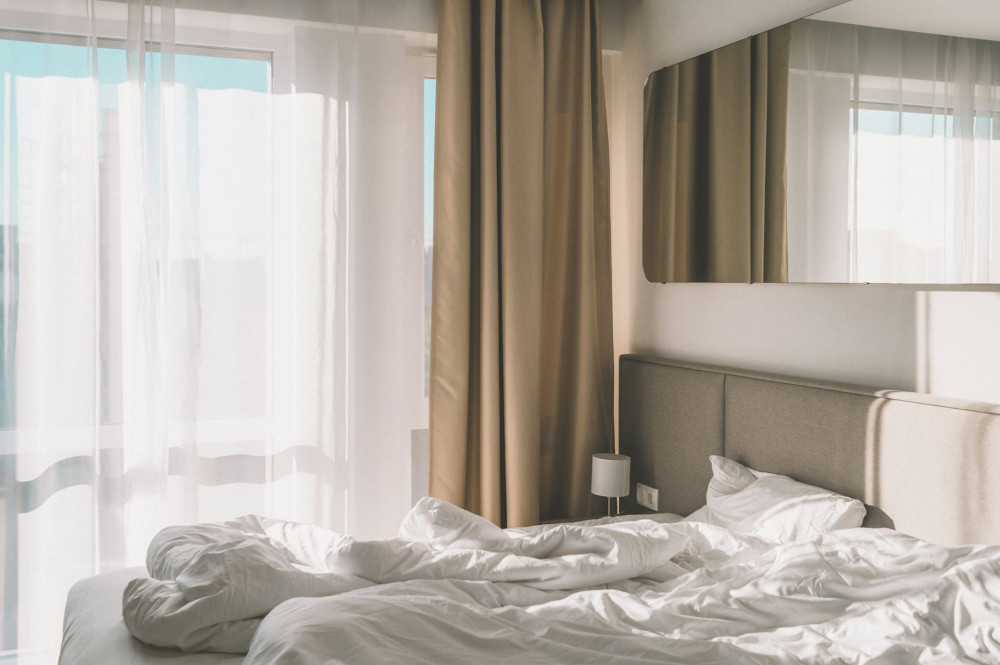
- Keep curtains closed during the day to block out heat and open windows in the evening when the air is cooler.
- If you use an air conditioner or ceiling fan, set it to a moderate level – too cold air can cause discomfort or dryness.
- During winter in northern regions, use a light blanket or quilt to stay warm without overheating.
Balancing temperature is key – you should feel comfortably cool, not cold or sweaty.
Fresh Air and Good Ventilation
Fresh air is essential for good sleep and a healthy indoor environment. When we sleep, we exhale moisture and carbon dioxide, which can make the air stuffy if the room isn’t ventilated properly.
- Open windows for a few minutes before bedtime to let in fresh air, especially if you live in an area with lower evening pollution levels.
- If you live in a city with high air pollution, consider using an air purifier to reduce dust and allergens.
- Avoid drying clothes in the bedroom, as it increases humidity and can lead to mold growth.
- Add indoor plants like snake plant, peace lily, or areca palm – they can help improve air quality and add a touch of nature.
Good ventilation not only helps you breathe better but also keeps your room feeling fresh and inviting.
Light and Darkness – The Hidden Factor
Although this article focuses on color, temperature, and air, light also plays a crucial role in sleep quality. Darkness signals your body to produce melatonin, the hormone that helps you sleep, while bright light – especially from screens – can delay this process.
Use blackout curtains to block streetlights, and avoid looking at your phone or laptop right before bed. If you need a night light, choose one with a warm, dim glow instead of harsh white light.
Create a Sense of Harmony
A healthy sleep environment is about the overall balance between all elements. When colors, temperature, and air quality work together, your bedroom becomes a sanctuary for rest. Keep the space tidy and free from unnecessary electronics – it should be a place where your body and mind can truly relax.
Even small changes can make a big difference: a calming wall color, a comfortable temperature, and a habit of letting in fresh air daily. You don’t need major renovations – just thoughtful adjustments that help you sleep better and wake up with more energy for the day ahead.
Læs også: