Set up a home office that takes care of your body

Set up a home office that takes care of your body
Working from home has become a part of everyday life for many professionals in India. Whether you’re a freelancer, a remote employee, or running your own business, your home office should do more than just look good—it should support your body and mind. Poor posture and an uncomfortable setup can lead to back pain, eye strain, and fatigue. Here’s how to create a workspace that keeps you healthy, focused, and comfortable.
Start with the basics: your chair and desk
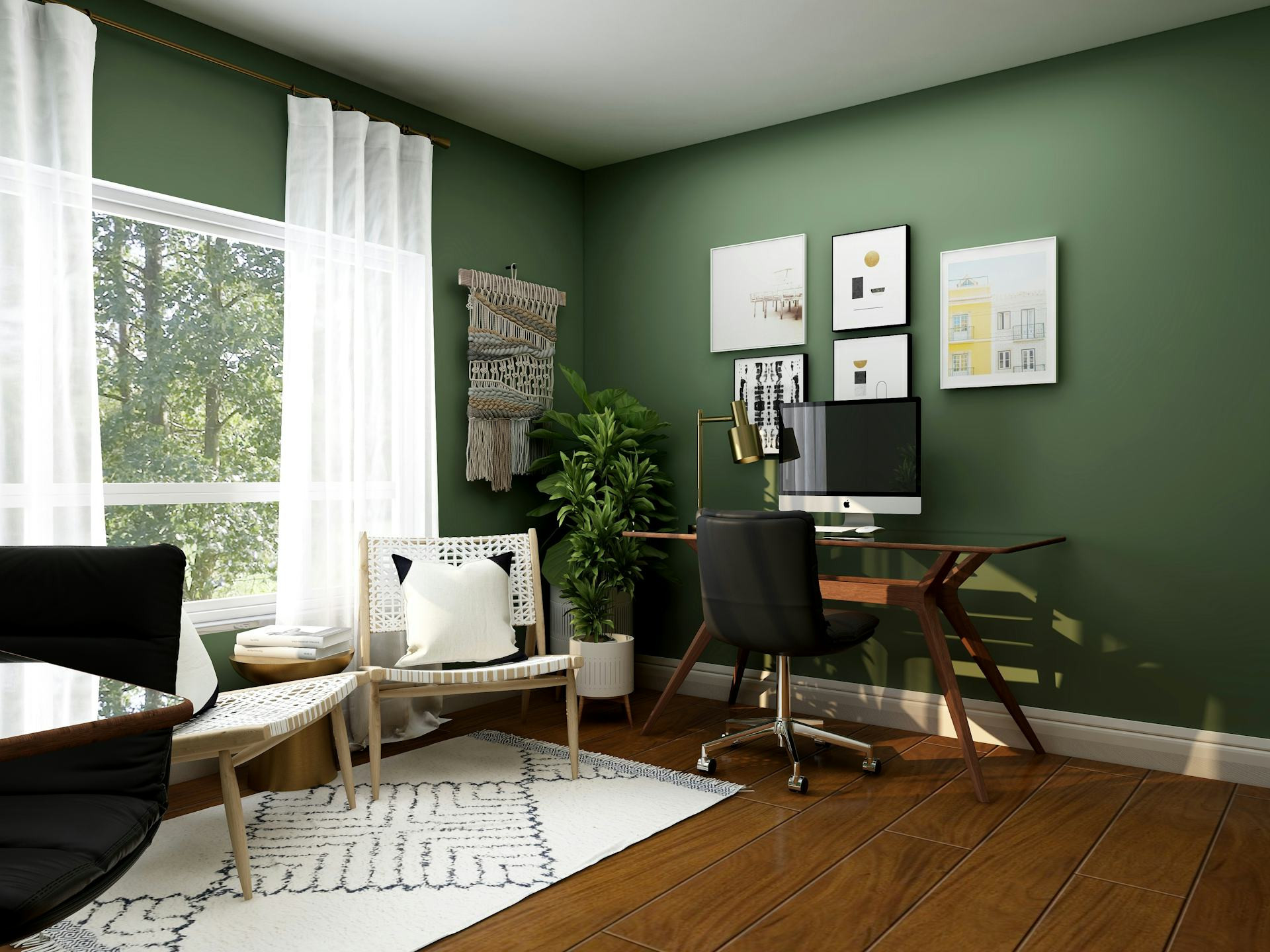
Your chair is the foundation of your home office. Choose one that supports your lower back and allows you to adjust the height and backrest. Your feet should rest flat on the floor, and your knees should be at a right angle. If you’re on a budget, you can add a small cushion for lumbar support or use a footrest made from a sturdy box.
Your desk should match your chair—not the other way around. Ideally, your elbows should be at a 90-degree angle when typing. If you don’t have a height-adjustable desk, you can improvise with a laptop stand or stack of books to bring your screen to the right level. Some people even use a standing desk setup for part of the day to reduce the strain of sitting too long.
Læs også:


Screen, keyboard, and mouse – small changes, big difference
Your screen should be directly in front of you, with the top edge at eye level. Keep it about an arm’s length away to reduce eye strain. If you work on a laptop, consider using an external keyboard and mouse so you can position the screen higher.
Make sure your wrists stay straight while typing, and your forearms rest lightly on the desk. A mouse pad with wrist support can help, but the most important thing is to move your hands and arms regularly. Short breaks every hour can prevent stiffness and improve circulation.
Light and air – often overlooked essentials
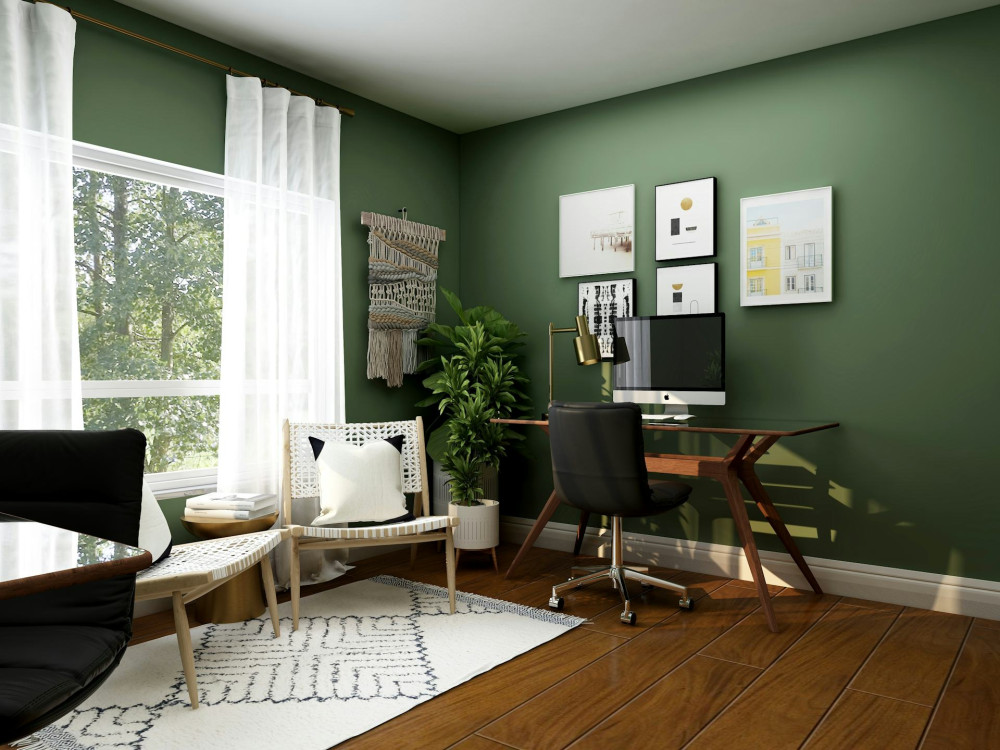
Good lighting is crucial for your eyes and your mood. Natural light is best, so try to place your desk near a window. In India’s bright sunlight, use curtains or blinds to avoid glare on your screen. In the evenings, use a desk lamp with warm, even light to reduce eye fatigue.
Fresh air can make a big difference in how alert you feel. Open your windows for a few minutes every couple of hours, or add a few indoor plants like money plant, snake plant, or peace lily—they help purify the air and bring a touch of calm to your workspace.
Keep your body moving
Even the best ergonomic setup can’t replace movement. Make it a habit to stand up and stretch every hour. Walk around your home, roll your shoulders, or do a few simple yoga stretches. You can also take phone calls while standing or walking.
If space allows, place your printer or water bottle a few steps away from your desk so you have to get up regularly. These small movements add up and help prevent stiffness and fatigue.
Create a calm and focused environment
A clutter-free workspace helps you think clearly. Use shelves, boxes, or drawers to keep your desk tidy. Keep only what you need for the day within reach. A clean desk not only looks better but also helps you stay focused.
Try to separate your work area from your living space, even if it’s just a corner of a room. When you finish work, close your laptop or turn off your computer to signal the end of the day. This helps your mind switch off and maintain a healthy work-life balance.
Add personality – but keep it balanced
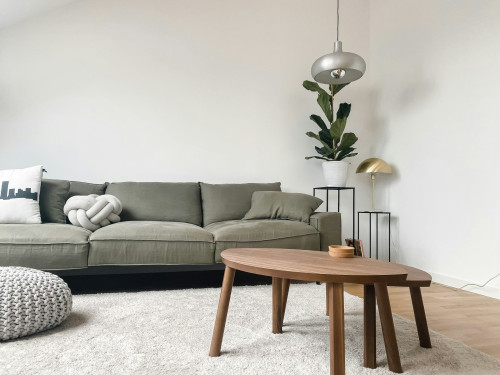
Your home office should reflect your personality. A framed photo, a small plant, or a colourful cushion can make the space more inviting. Choose calming colours like soft blues, greens, or neutrals to create a peaceful atmosphere. Bright accents can add energy, but avoid too many distractions.
Natural materials like wood, cotton, or bamboo can make your workspace feel warm and comfortable—perfect for India’s diverse climates.
A workspace that works for you
There’s no single perfect way to set up a home office. The key is to listen to your body and make small adjustments as needed. If you feel tension in your neck or back, change your chair height or screen angle. If your eyes feel tired, adjust the lighting or take a short break.
A good home office is about balance—between comfort and productivity, between work and rest. When you take care of your body, you don’t just work better—you feel better every day.
Læs også: