From Steel Tank to Oak Barrel: How Maturation Shapes the Taste of Wine

From Steel Tank to Oak Barrel: How Maturation Shapes the Taste of Wine
When fermentation ends, a wine’s next chapter begins — maturation. This stage refines the wine’s character and defines its final taste. Whether a winemaker chooses to age the wine in a stainless-steel tank, an oak barrel, or a mix of both can dramatically influence the result. But what exactly happens during maturation, and how does the choice of vessel shape the flavour?
The Steel Tank – Purity and Freshness Preserved
Stainless-steel tanks represent precision and modernity in winemaking. They are neutral, easy to clean, and allow full control over temperature and oxygen exposure. This ensures that the wine retains its natural fruitiness and crisp aromas.
White wines such as Sauvignon Blanc, Chenin Blanc, and many rosés are often matured in steel to preserve their bright acidity and fresh fruit character. Even some lighter reds — like Pinot Noir or young Indian Shiraz — benefit from steel when the goal is a clean, vibrant style.
In short, the steel tank highlights the grape’s own personality without adding external flavours. The result is a wine that tastes of fruit, terroir, and clarity — ideal for those who enjoy freshness in every sip.
The Oak Barrel – Depth and Complexity Unfolded
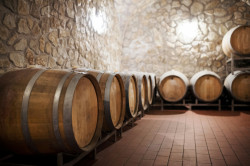
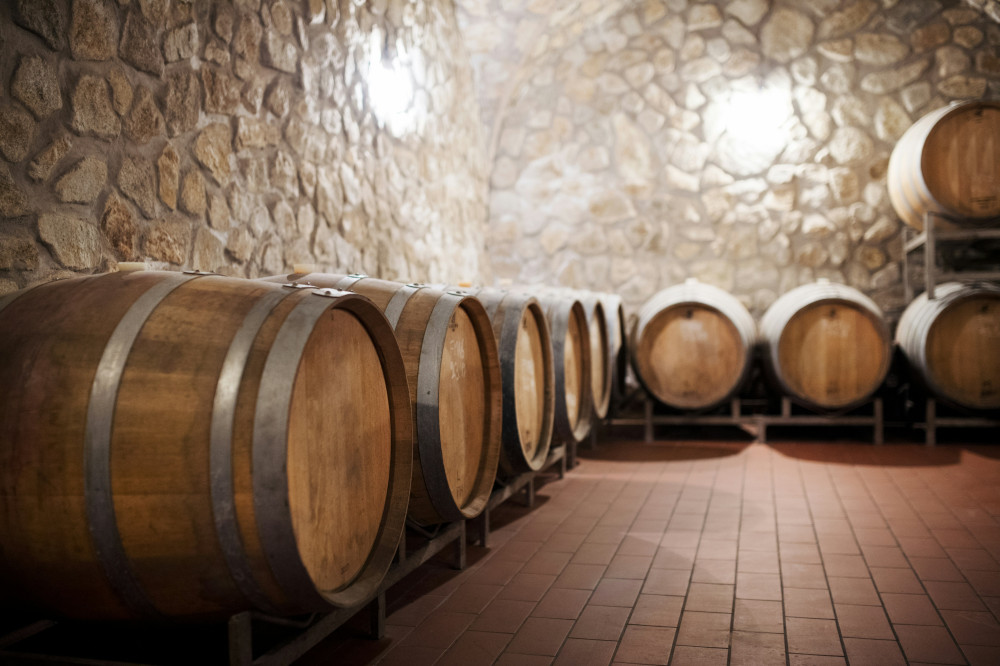
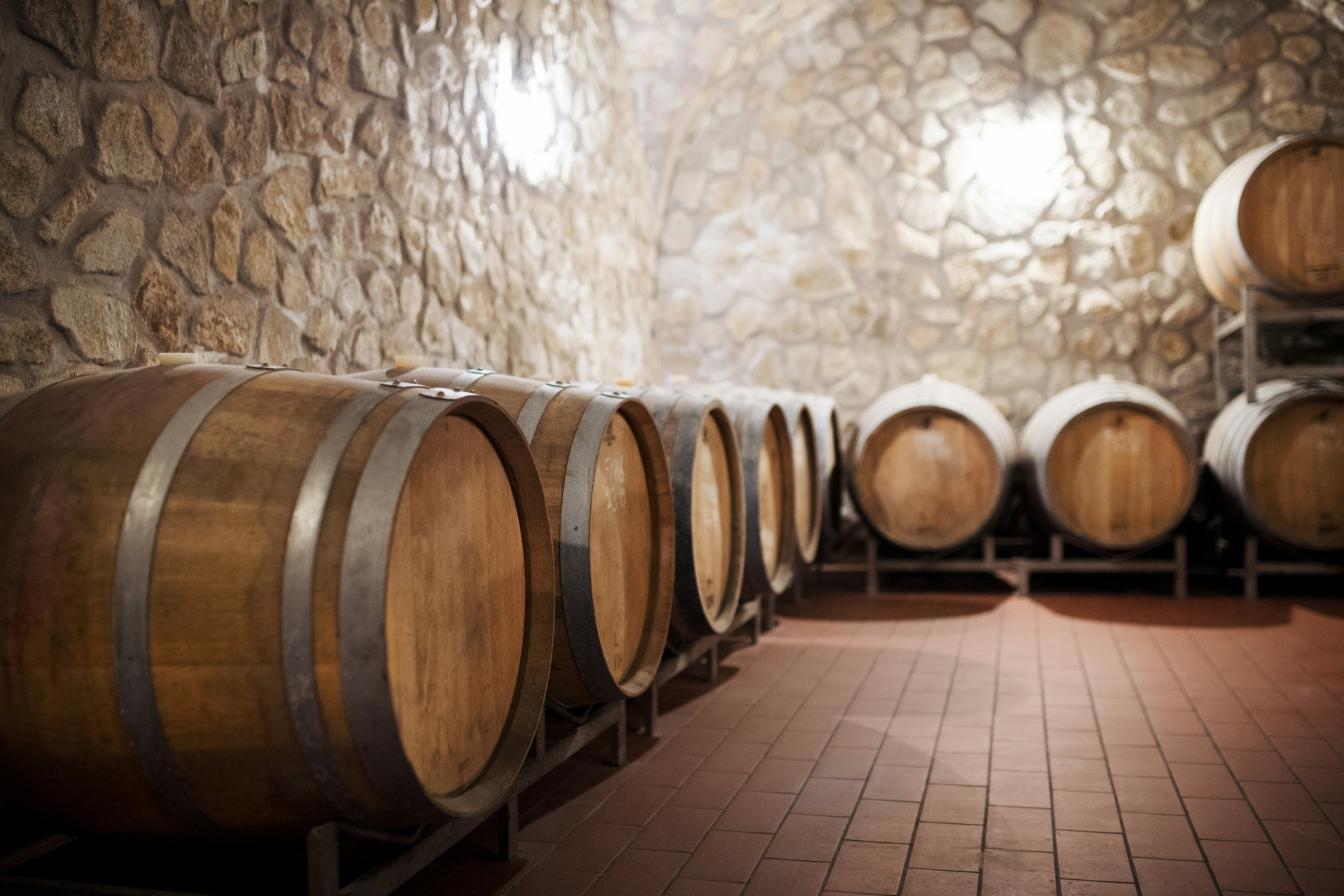
Where steel preserves, oak transforms. When wine rests in an oak barrel, a gentle exchange of oxygen occurs through the wood’s pores. This softens tannins in red wines and creates a smoother, rounder texture. At the same time, the wood imparts subtle aromas reminiscent of vanilla, toast, spice, or coconut — depending on the type of oak, the level of toasting, and the barrel’s age.
New barrels contribute stronger flavours, while older ones mainly influence texture and allow slow oxidation. Many winemakers therefore blend wines aged in both new and used barrels to achieve balance between fruit and oak.
Oak maturation is especially suited to fuller-bodied wines such as Cabernet Sauvignon, Syrah, and Chardonnay — wines with enough structure to carry the added layers of flavour and aroma.
Læs også:
The Chemistry of Maturation – Subtle Changes, Big Impact
During maturation, a series of chemical reactions reshape the wine’s taste and aroma. Tannins polymerise, making the wine smoother. Acids and alcohols combine to form new aromatic compounds that add depth and complexity. Sediments settle, and the wine becomes clearer and more stable.
In steel tanks, these processes occur slowly and under tight control, preserving freshness. In oak barrels, the gentle oxygen exposure accelerates development, adding richness and nuance. Thus, two wines made from the same grape can taste completely different depending on how they were matured.
The Blend – Balancing Modern and Traditional
Many contemporary winemakers choose to combine both methods. Part of the wine matures in steel to maintain brightness, while another portion rests in oak to gain structure and complexity. The two are later blended, resulting in a wine that offers both liveliness and depth.
This approach is increasingly popular in emerging wine regions, including parts of India such as Nashik and Nandi Hills, where producers experiment with international techniques to craft wines suited to local palates and climates.
The Taste of Time and Intention
Ultimately, maturation is about time, patience, and philosophy. A winemaker who chooses steel seeks purity and precision; one who chooses oak seeks evolution and richness. Both paths can lead to exceptional wines — each expressing a different vision of balance and beauty.
So, the next time you pour a glass, take a moment to consider its journey. Whether it rested in cool steel or warm oak, the vessel has quietly shaped the story you taste.
Læs også: