The History of Dessert Wine – Sweet Drops with Proud Traditions

The History of Dessert Wine – Sweet Drops with Proud Traditions
For centuries, sweet wine has been a symbol of celebration, hospitality, and craftsmanship. From the sun-drenched vineyards of ancient Greece to the refined bottles served at modern tables, dessert wine has carried with it a story of patience, climate, and culture. But how did this tradition of intentionally sweet wine begin—and why does it continue to hold such a special place in the world of fine dining?
From Ancient Sweetness to Monastic Mastery
The roots of dessert wine stretch back thousands of years. The Greeks and Romans discovered that drying grapes in the sun concentrated their sugars, producing rich, honeyed wines that were reserved for gods and nobility. In the Middle Ages, European monks refined these methods, experimenting with late harvests and even allowing grapes to freeze on the vine to preserve their natural sweetness.
These early innovations gave rise to some of the world’s most famous dessert wines, such as France’s Sauternes and Germany’s Beerenauslese—wines that remain benchmarks of quality and tradition.
Læs også:

A Symbol of Prestige in European Courts
By the 17th and 18th centuries, dessert wine had become a hallmark of luxury. At royal courts across Europe, sweet wines were served as the crowning touch to lavish feasts. Hungary’s Tokaji Aszú earned the title “the wine of kings and the king of wines,” prized for its golden hue and complex sweetness created by the noble rot Botrytis cinerea.
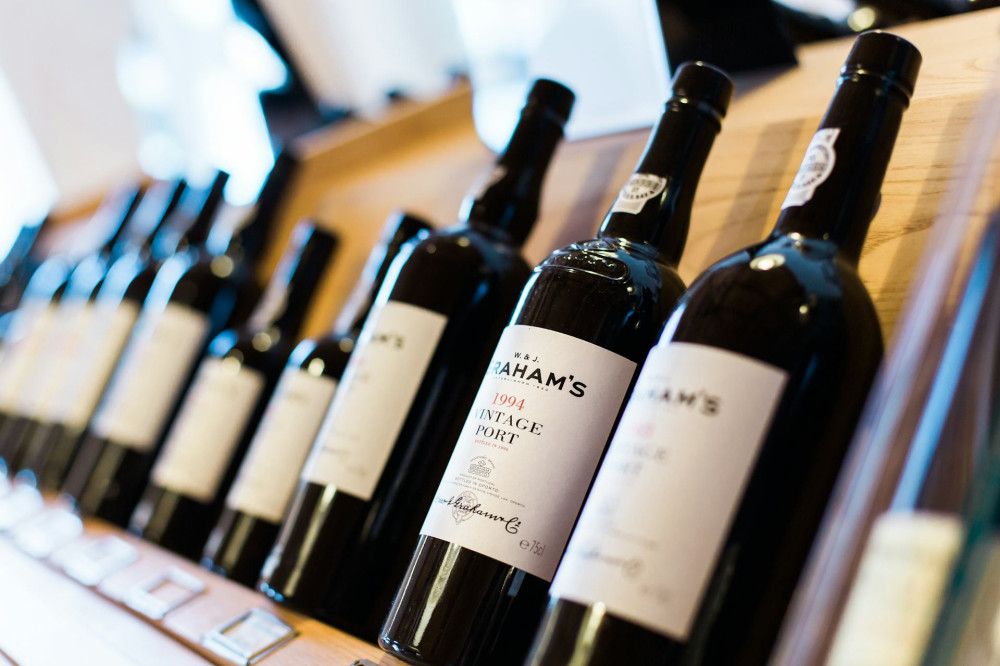
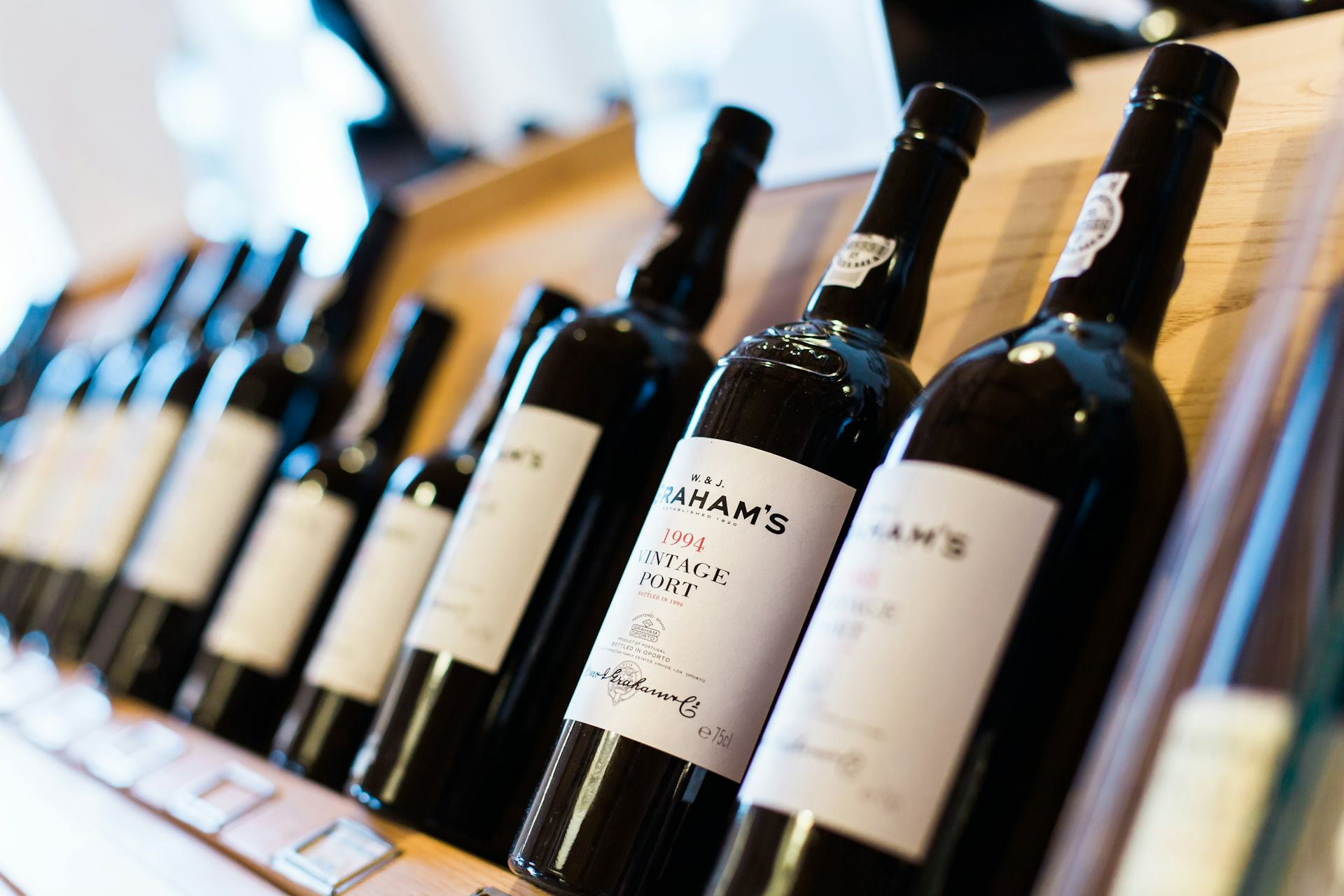
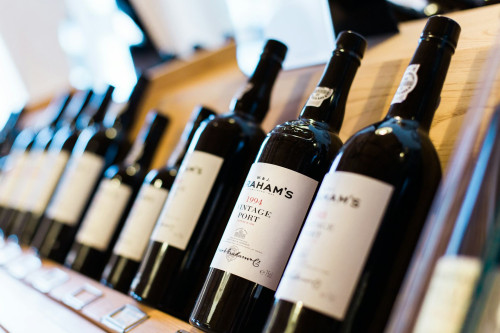
In Portugal and Spain, fortified wines like Port and Sherry emerged, valued for their depth and longevity. These wines traveled well, reaching Britain and beyond, becoming global ambassadors of European winemaking.
Colonial Influence and Global Spread
As European powers expanded their empires, they carried their winemaking traditions to new continents. In South Africa, the Cape’s Constantia wine became a sensation in the 18th century, praised by royalty and writers alike. Australia, California, and South America soon followed, producing their own interpretations of sweet wines inspired by European classics.
For India, these centuries marked the beginning of exposure to European wine culture through trade and colonial exchange. While the subcontinent’s tropical climate was not ideal for traditional winemaking, fortified and sweet wines were imported and enjoyed by colonial elites, leaving a subtle but lasting influence on local tastes.
A Forgotten Category Finds New Life
In the 20th century, global tastes shifted toward drier wines, and dessert wines lost some of their prestige. Yet in recent decades, they have experienced a renaissance. Wine enthusiasts have rediscovered the artistry behind these sweet creations—from the honeyed elegance of Sauternes to the crisp, icy freshness of Canadian and Austrian ice wines.
Modern chefs and sommeliers have also reimagined how dessert wines are served. No longer confined to the end of a meal, they now accompany cheese, foie gras, or even spicy dishes—pairings that resonate particularly well with India’s rich and diverse cuisine. A chilled glass of late-harvest Riesling, for instance, can beautifully balance the heat of a Goan curry or the sweetness of a Bengali dessert.
Craft, Climate, and Patience
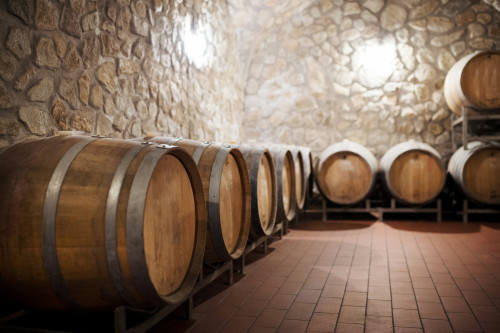
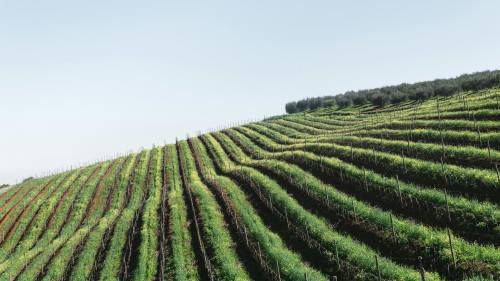
Making dessert wine is a delicate dance between nature and human skill. The grapes must achieve the perfect balance of sugar and acidity, and the weather must cooperate. Some winemakers wait until late autumn for the grapes to shrivel naturally, while others rely on frost or noble rot to concentrate the flavors. The result is a wine of remarkable intensity, capable of aging gracefully for decades.
This combination of natural unpredictability and meticulous craftsmanship is what makes dessert wine so special—a liquid expression of patience and passion.
A Sweet Legacy with Proud Traditions
The story of dessert wine is one of endurance and elegance. From ancient amphorae to modern crystal glasses, these sweet drops have survived changing fashions and global shifts. Today, as India’s wine culture blossoms and curiosity about global flavors grows, dessert wines offer a bridge between tradition and innovation—a reminder that true pleasure often lies not in abundance, but in savoring every golden sip.
Læs også: