The Origins of Wine: How Traditions and Grape Varieties Shape the Taste

The Origins of Wine: How Traditions and Grape Varieties Shape the Taste
The story of wine is as rich and layered as its flavours. From the first fermented grapes in ancient Georgia to the precision-crafted vineyards of Bordeaux and Barossa Valley, wine has always been a reflection of both nature and culture. Every bottle tells a story — of soil, climate, craftsmanship, and centuries-old traditions. But what exactly shapes the taste of wine, and why does a Shiraz from Australia taste so different from one grown in India’s Nashik Valley?
From Ancient Amphorae to Modern Vineyards
Archaeological evidence suggests that wine production began more than 8,000 years ago in the Caucasus region, where early winemakers discovered that grapes could transform into a complex, intoxicating drink. The art of winemaking spread through Mesopotamia, Egypt, Greece, and the Roman Empire, where wine became central to both religion and daily life.
The Romans were among the first to formalize viticulture. They introduced pruning, barrel aging, and amphora storage — techniques that still influence winemaking today. After the fall of Rome, European monasteries preserved and refined these methods. Monks in France, Germany, and Italy began to study how soil and climate affected flavour, laying the foundation for what we now call terroir.
Terroir – The Geographic Signature of Wine
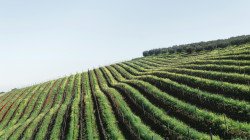
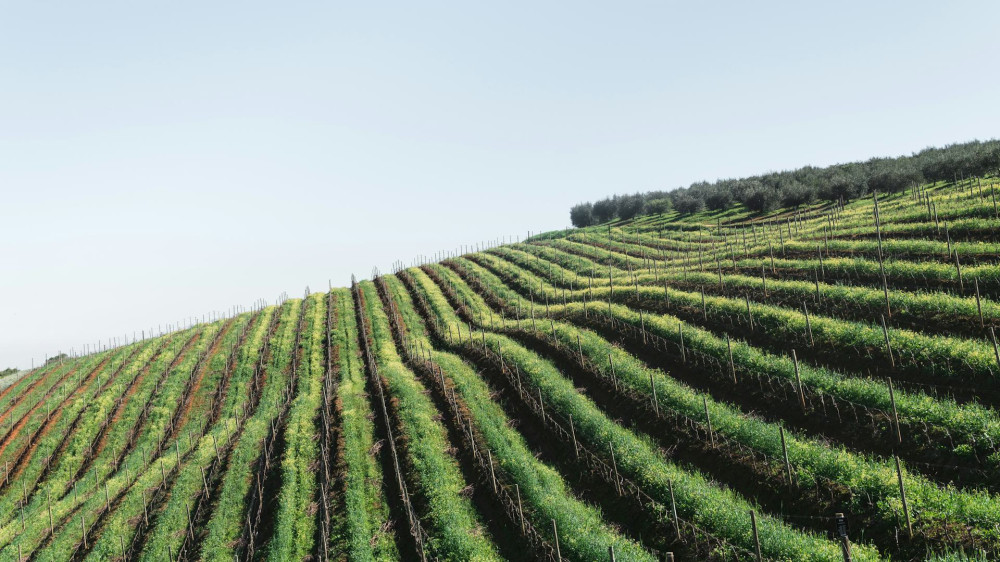
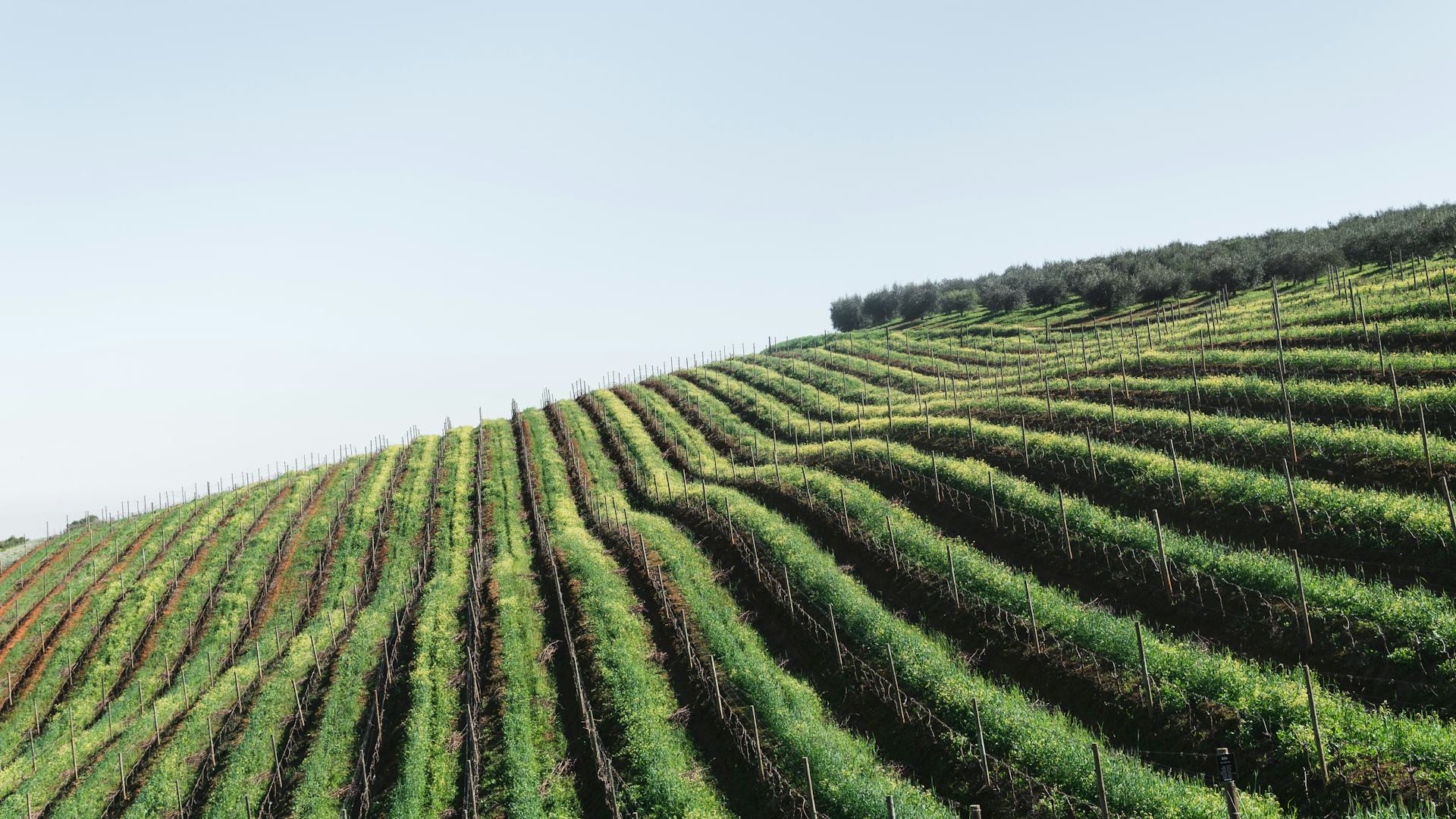
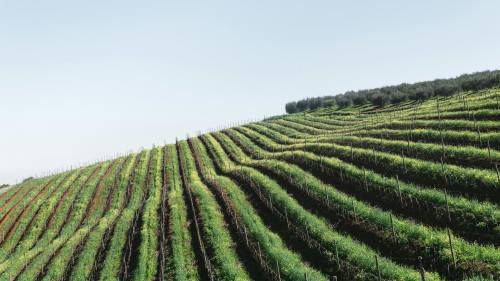
Terroir refers to the unique combination of soil, climate, topography, and human touch that gives each wine its distinct identity. It explains why two wines made from the same grape can taste completely different. A Sauvignon Blanc from New Zealand’s Marlborough region bursts with tropical fruit and crisp acidity, while one from France’s Loire Valley is more mineral and restrained.
Even small variations in sunlight, rainfall, and temperature can alter the balance of sugar and acidity in grapes — and thus the wine’s character. Understanding terroir is like reading the land: it’s about letting nature express itself through the grape.
Grape Varieties – The Building Blocks of Wine
There are over 10,000 known grape varieties in the world, though only a fraction are used in commercial winemaking. Each variety brings its own personality, shaped further by where and how it is grown.
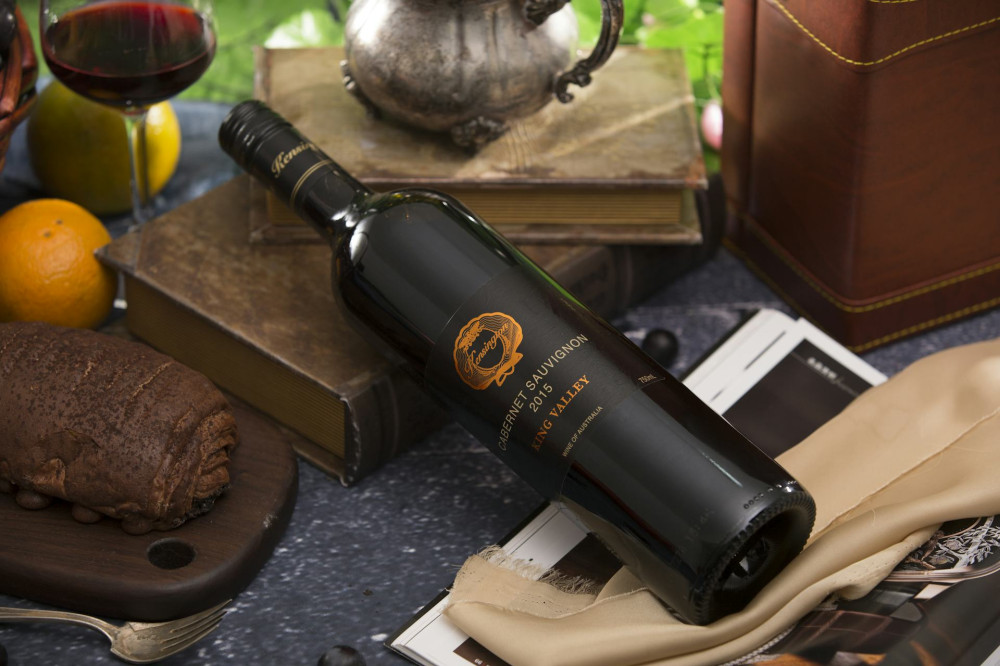
- Cabernet Sauvignon – celebrated for its structure, tannins, and notes of blackcurrant and cedar. Thrives in Bordeaux and warm regions like Chile and Australia.
- Pinot Noir – delicate and demanding, it prefers cooler climates and yields elegant wines with flavours of cherry, earth, and spice.
- Riesling – prized for its acidity and ability to reflect terroir, ranging from dry German styles to sweeter versions from Alsace.
- Syrah/Shiraz – bold and spicy, with dark fruit and pepper notes. From the Rhône Valley to India’s Deccan Plateau, it adapts well to diverse climates.
In India, regions like Nashik, Nandi Hills, and Akluj are experimenting with both international and indigenous varieties. The country’s warm days and cool nights create wines with ripe fruit flavours and balanced acidity — a promising sign for a young but rapidly growing wine culture.
Tradition and Craftsmanship – From Cellar to Glass
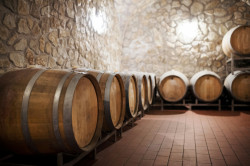
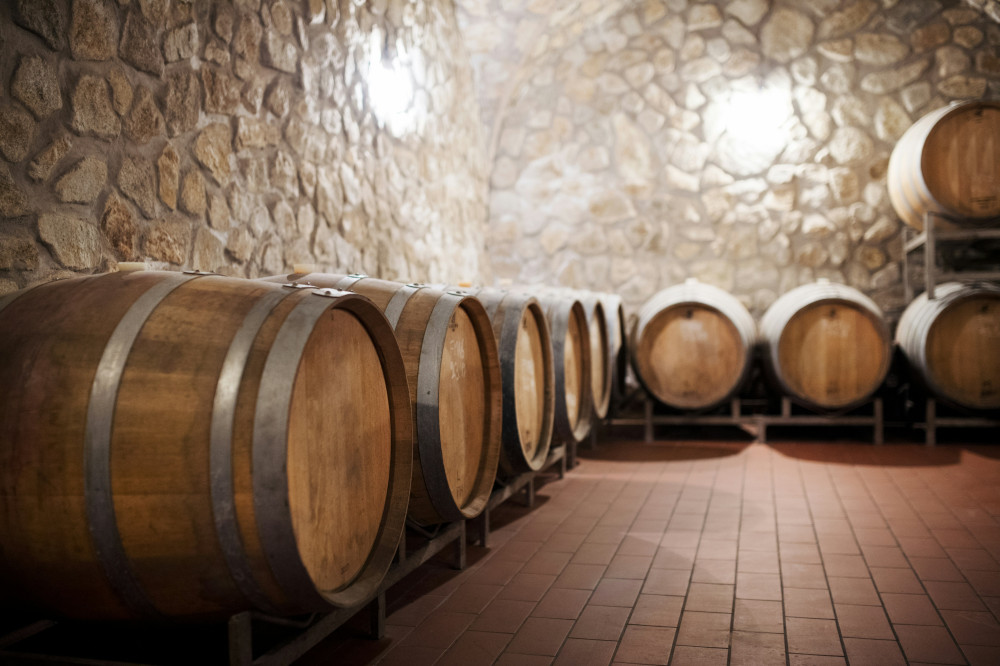
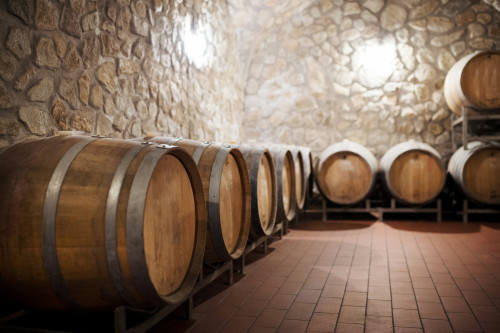
The taste of wine is shaped not only in the vineyard but also in the cellar. Fermentation methods, barrel aging, and blending decisions all play crucial roles. In France, small oak barrels add complexity and texture, while many modern winemakers prefer stainless steel tanks to preserve freshness and purity.
Tradition and innovation coexist in today’s wine world. Ancient techniques like fermenting in clay amphorae are being revived, while technology allows precise control over temperature and oxygen. In India, winemakers are adapting these global practices to local conditions, experimenting with yeast strains and maturation methods suited to tropical climates.
Læs også:
Wine and Culture – More Than Just a Drink
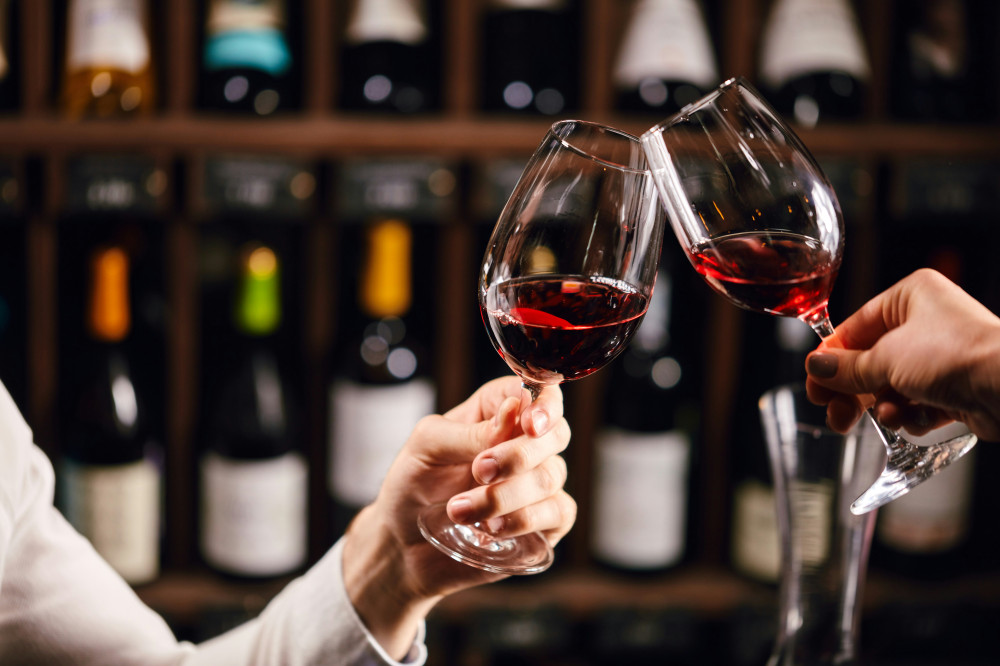
Wine is more than an agricultural product; it is a cultural expression. In Europe, it accompanies meals and celebrations; in Georgia, it symbolizes hospitality; and in India, it is becoming a marker of modern lifestyle and culinary curiosity. As Indian consumers explore wine pairings with regional cuisines — from spicy Goan seafood to creamy paneer dishes — they are discovering how wine can complement and elevate local flavours.
Understanding the origins of wine is not just about grapes and geography. It is about appreciating the dialogue between human creativity and nature’s diversity. Every bottle represents thousands of choices — from vineyard to cellar — and stands as a testament to how traditions and grape varieties continue to shape the taste of wine across the world, including right here in India.
Læs også: