Insulation of the Future: New Technologies and Materials in Homes

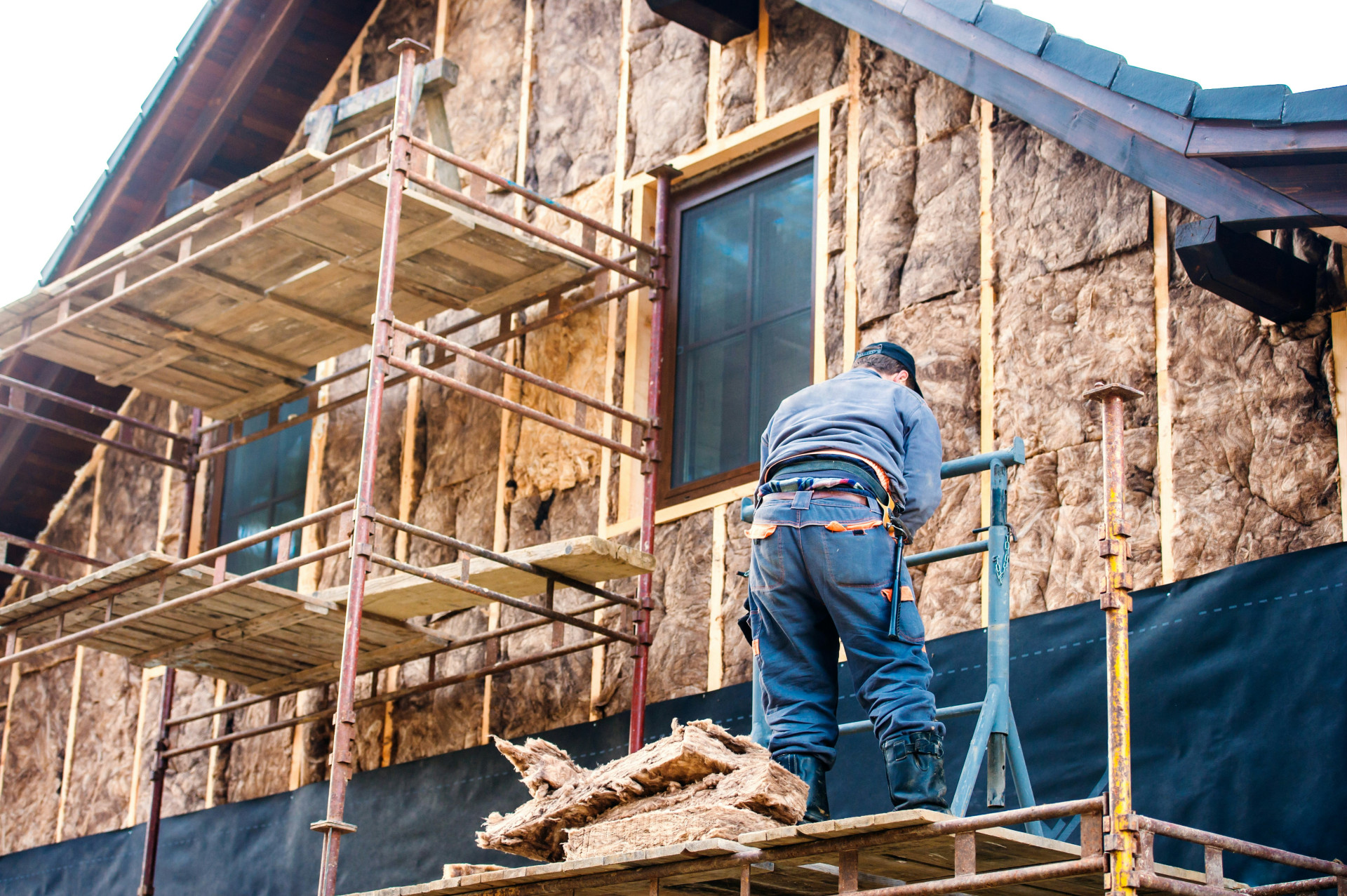
Insulation of the Future: New Technologies and Materials in Homes
Insulation has always been one of the key factors in creating energy-efficient and comfortable homes. But as the world moves toward sustainability and smarter living, the way we think about insulation is changing. The future of insulation is not just about keeping heat out or in—it’s about building homes that are adaptive, eco-friendly, and suited to local climates.
From Passive to Active Insulation
Traditionally, insulation has been a passive barrier against heat and cold. But new technologies are making it possible to think more dynamically. Phase Change Materials (PCMs), for example, can absorb and release heat depending on the surrounding temperature—acting like a thermal battery. In India’s diverse climate, from the hot plains to the cooler hills, PCMs can help maintain stable indoor temperatures without heavy reliance on air conditioning or heating.
Another promising innovation is aerogel insulation, originally developed for space missions. Aerogels are extremely lightweight and have very low thermal conductivity, allowing for high insulation performance with thin layers. This makes them ideal for urban Indian homes and apartment renovations, where space is often limited.
Sustainable and Locally Sourced Materials
As India pushes toward greener construction under initiatives like the Energy Conservation Building Code (ECBC) and the Smart Cities Mission, natural insulation materials are gaining attention. Materials such as coconut coir, jute, hemp, and rice husk are not only renewable but also locally available. They provide effective insulation while supporting rural industries and reducing the carbon footprint of construction.
A newer, eco-friendly alternative is mycelium insulation, made from the root structure of fungi. It grows quickly, requires little energy to produce, and is fully biodegradable. Mycelium panels could become a sustainable option for India’s growing green building sector, combining innovation with environmental responsibility.
Smart Sensors and Digital Monitoring
The future of insulation is not only about materials—it’s also about intelligence. Smart sensors can now monitor temperature, humidity, and energy use in real time. In India’s humid and monsoon-prone regions, such systems can detect moisture buildup early, preventing mold and structural damage.
When integrated with smart home systems, these sensors can automatically adjust ventilation, shading, or cooling to optimize comfort and energy efficiency. This kind of digital control is becoming increasingly accessible, even for mid-range homes, as the Internet of Things (IoT) expands across the Indian housing market.
Læs også:

Recycling and Circular Design
Another key focus area is recyclability. Many traditional insulation materials are difficult to reuse, but new modular systems are being designed for easy disassembly and recycling. Manufacturers are experimenting with circular design principles, ensuring that insulation materials can be repurposed or reprocessed at the end of their life cycle. This approach aligns with India’s growing emphasis on waste reduction and resource efficiency.
What It Means for Homeowners
For Indian homeowners, these developments mean more choices and smarter investments. Whether building a new house or retrofitting an old one, it’s now possible to choose insulation solutions that are energy-efficient, sustainable, and tailored to local conditions.
While some of these technologies are still emerging, the direction is clear: insulation is becoming thinner, smarter, and greener. And as India continues to urbanize and modernize, these innovations will not only lower energy bills but also contribute to a more comfortable and sustainable way of living.
Læs også: