Materials that ensure a comfortable indoor climate

Materials that ensure a comfortable indoor climate
A comfortable indoor climate is about more than just temperature and air conditioning – it’s also about the materials that surround you. Walls, floors, ceilings, and furniture all influence air quality, humidity, and even how sound travels in a room. By choosing the right materials, you can create a home that feels pleasant and healthy throughout the year, even in India’s diverse climate zones. Here’s how different materials can help you achieve a balanced and comfortable indoor environment.
Natural materials for a balanced home
Natural materials such as wood, clay, lime, and bamboo have been used in Indian homes for centuries – and for good reason. They are durable, beautiful, and help regulate temperature and humidity naturally.
- Wood absorbs and releases moisture depending on the air’s humidity, helping to stabilize indoor conditions. Locally available woods like teak or mango wood also add warmth and character to interiors.
- Clay and lime plaster allow walls to “breathe,” reducing the risk of dampness and mold – a common issue in humid regions.
- Bamboo and coir are excellent for flooring and insulation. They are renewable, lightweight, and help keep interiors cool.
By using natural materials, you also avoid many synthetic chemicals that can release harmful fumes over time.
Avoid materials that emit harmful substances
Many modern building materials, paints, and furniture contain adhesives, varnishes, or plastics that release volatile organic compounds (VOCs). These can cause headaches, irritation, and long-term health issues.
When buying new materials, look for low-VOC or eco-certified products. In India, certifications like GreenPro or IGBC-approved materials can guide you toward safer choices. Also, make sure to ventilate well after painting or installing new furniture, as emissions are highest in the first few weeks.
Læs også:


Flooring that supports comfort and health
Floors cover a large surface area and have a big impact on indoor comfort. In India’s warm climate, materials that stay cool underfoot are especially valuable.
- Terracotta tiles are traditional, breathable, and help keep rooms cool in summer.
- Natural stone such as Kota or granite is durable and ideal for hot regions, as it retains less heat.
- Bamboo flooring is sustainable, resilient, and adds a natural aesthetic.
Avoid wall-to-wall carpets in humid areas, as they can trap dust and moisture, leading to allergies and mold.
Walls and ceilings that breathe
The materials used for walls and ceilings play a key role in maintaining healthy humidity levels. Breathable materials like lime plaster, clay paint, or natural gypsum allow moisture to pass through instead of trapping it inside.
If you paint your walls, choose water-based paints with low or zero VOC content. These are now widely available in India and help maintain better air quality indoors.
Insulation and ventilation working together
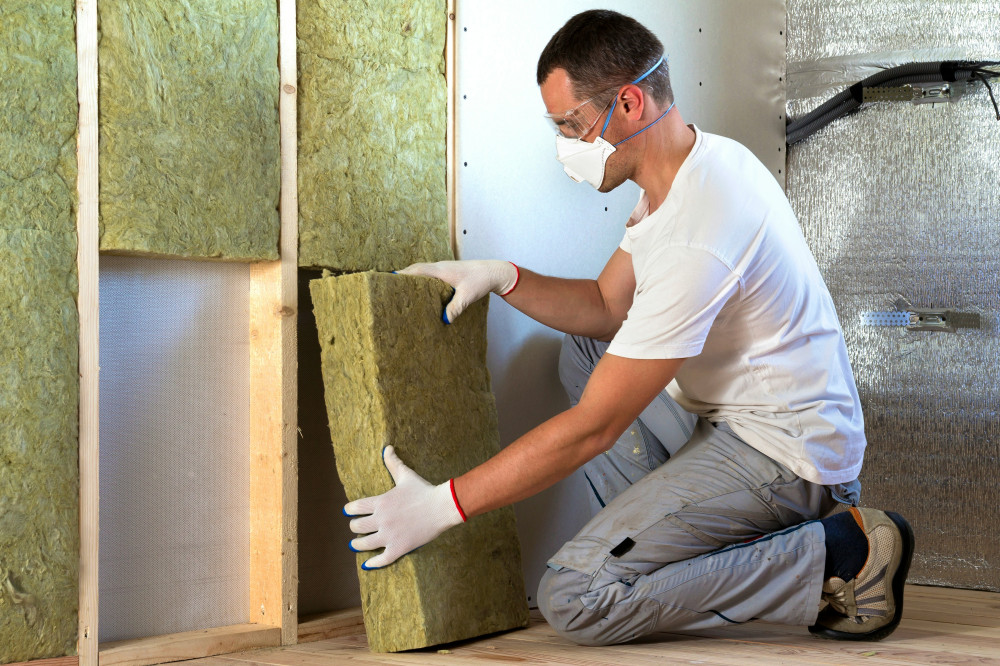
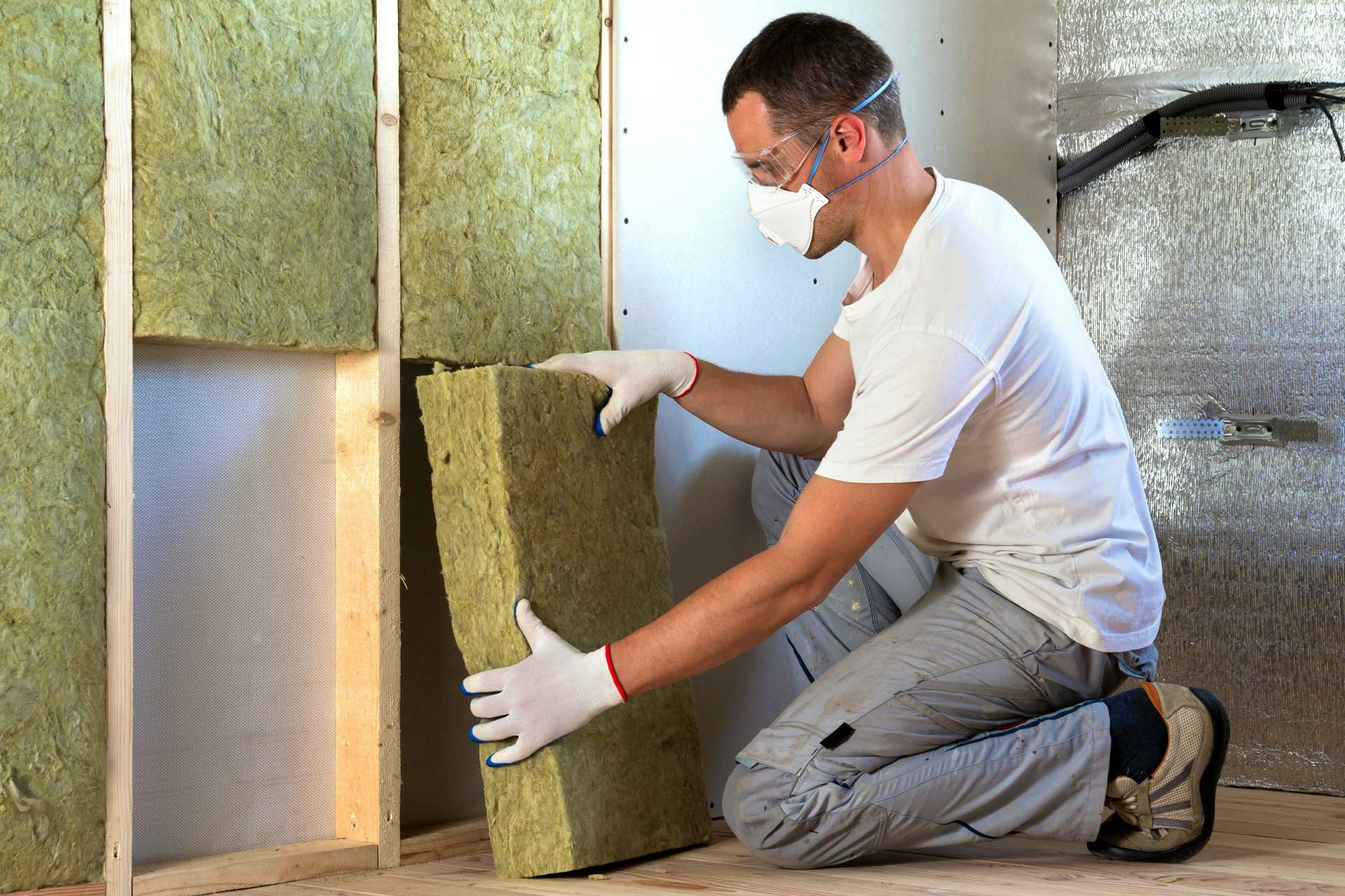
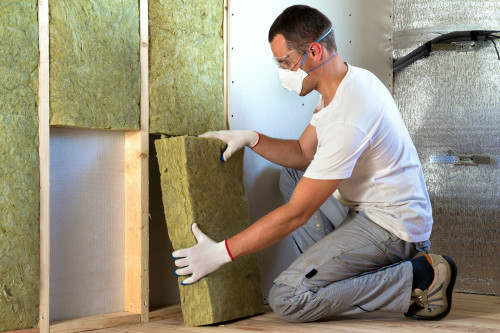
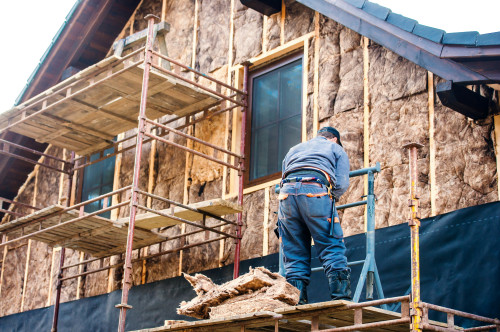
Even the best materials need proper ventilation to create a healthy indoor climate. Natural insulation materials such as coconut fiber, jute, or cellulose not only keep homes cooler in summer and warmer in winter but also allow moisture to move freely, reducing the risk of condensation and mold.
Combine these with cross-ventilation or a mechanical ventilation system to ensure a steady flow of fresh air. In urban areas with high pollution, air purifiers or filtered ventilation systems can further improve indoor air quality.
Small choices, big difference
A healthy indoor climate also depends on everyday habits. Indoor plants like areca palm, snake plant, or peace lily can help purify the air, but avoid pollen-heavy species if you have allergies. Limit the use of synthetic air fresheners and choose natural cleaning products without strong fragrances.
When you pay attention to the materials in your home – from walls to floors – you’re not just improving aesthetics, but also investing in your well-being. A home built with natural, breathable, and low-emission materials feels fresher, healthier, and more comfortable to live in – no matter the season.
Læs også: